Critical rights checks for Indians are becoming increasingly important as the immigration debate heats up. These checks will play a vital role in shaping the future of visa regulations and rights for Indian nationals.
Understanding the Immigration Debate
The immigration debate surrounding critical rights checks for Indians has gained significant traction in recent years. As nations worldwide reassess their policies, the implications for Indian immigrants are becoming increasingly prominent.
Many advocates argue that these critical rights checks are essential to ensure fair treatment and protection of individual freedoms. They emphasize the importance of establishing a transparent framework that safeguards the rights of immigrants while also addressing national security concerns.
Opponents of stringent immigration checks warn that excessive scrutiny could lead to discrimination and marginalization of certain groups within the Indian community. They argue that the focus should be on fostering inclusivity rather than imposing barriers that could hinder progress.
As the debate continues, various stakeholders are weighing in:
- Government Officials: They seek a balance between security and rights.
- Human Rights Organizations: They advocate for protecting individual liberties.
- Community Leaders: They highlight the need for dialogue and understanding.
Ultimately, navigating the complexities of critical rights checks for Indians requires collaboration and a commitment to uphold fundamental rights.
What Are Critical Rights Checks?
Critical rights checks refer to the essential evaluations and assessments that determine the legal status and rights of individuals, particularly in the context of immigration. For Indians, these checks are vital in ensuring their protection and recognition within foreign jurisdictions.
The process typically involves examining various factors, including:
- Eligibility criteria: Assessing whether an individual meets the necessary conditions for residency or citizenship.
- Documentation: Verifying the authenticity of documents required for immigration applications.
- Legal compliance: Ensuring adherence to both local and international laws regarding immigration.
- Background checks: Conducting reviews of criminal records and other relevant histories.
These critical rights checks for Indians play a significant role in shaping the immigration landscape, particularly as discussions surrounding policy reform and rights protections continue to evolve. Understanding these checks is essential for those navigating the complexities of immigration systems, ensuring that their rights are upheld and their interests are represented.
Impact of 2026 Regulations
The introduction of the 2026 regulations on critical rights checks for Indians has sparked discussions across various sectors. These regulations aim to ensure that immigration processes are transparent and fair, ultimately impacting thousands of individuals seeking residency or citizenship.
One of the primary impacts of these regulations is the emphasis on thorough assessments of applicants’ rights. This means that the authorities will evaluate not only the eligibility but also the potential rights and protections afforded to Indians under the new framework. As a result, applicants may experience more comprehensive reviews, which can lead to longer processing times.
Moreover, the critical rights checks for Indians are expected to enhance accountability within the immigration system. Stakeholders argue that this move will provide greater legal safeguards and better align immigration practices with international human rights standards.
However, some critics express concerns about the possible bureaucratic hurdles that could arise from these checks. They fear that additional requirements may complicate the already intricate immigration landscape, thus affecting the timely approval of applications.
In summary, the impact of the 2026 regulations on critical rights checks is multifaceted, potentially reshaping the immigration experience for many Indians.
Key Concerns for Indian Nationals
The ongoing immigration debate has brought to light several key concerns for Indian nationals regarding the implementation of critical rights checks for Indians. These checks are poised to significantly affect not only the immigration process but also the rights and freedoms of individuals seeking to relocate.
- Legal Protections: Many Indians worry that the new regulations may undermine their existing legal protections. There is uncertainty about how these checks will be applied and whether they will respect individual rights.
- Transparency: Concerns about transparency in the critical rights checks process are prevalent. Indian nationals are calling for clear guidelines and accountability to ensure their rights are not violated.
- Impact on Families: The implications for family reunification are significant. Delays or denials in critical rights checks could separate families for extended periods, leading to emotional and financial strain.
- Discriminatory Practices: There are fears that these checks could lead to discriminatory practices against Indian nationals, further complicating the immigration landscape.
Addressing these concerns is essential to ensure that the implementation of critical rights checks for Indians is fair and just.
The Future of Immigration Policies
The future of immigration policies in the United States is poised for significant transformation, particularly concerning critical rights checks for Indians. As the nation grapples with evolving demographics and social justice issues, these policies will likely reflect a greater emphasis on protecting the rights of migrants.
Experts predict that the implementation of these checks will foster a more equitable immigration system. Ensuring that critical rights are upheld will not only benefit Indian nationals but will also enhance the overall integrity of the immigration process. The following are potential directions for future policies:
- Streamlined Application Processes: Initiatives to simplify applications could help reduce backlogs and ensure timely processing.
- Enhanced Legal Protections: Advocates argue for stronger safeguards against discrimination, ensuring that all applicants, particularly Indians, are treated fairly.
- Increased Community Engagement: Encouraging dialogue between policymakers and immigrant communities may lead to more informed and inclusive policies.
As the conversation around immigration continues, critical rights checks for Indians will play a pivotal role in shaping a more just and responsive system.
How to Prepare for Changes
As the immigration landscape evolves, it is essential for Indian nationals to prepare for upcoming changes, particularly concerning critical rights checks for Indians. Understanding the nuances of these checks can help individuals navigate the immigration process more effectively.
Here are some practical steps to consider:
- Stay Informed: Regularly update yourself on immigration policies and related news. Reliable sources include government websites and reputable news outlets.
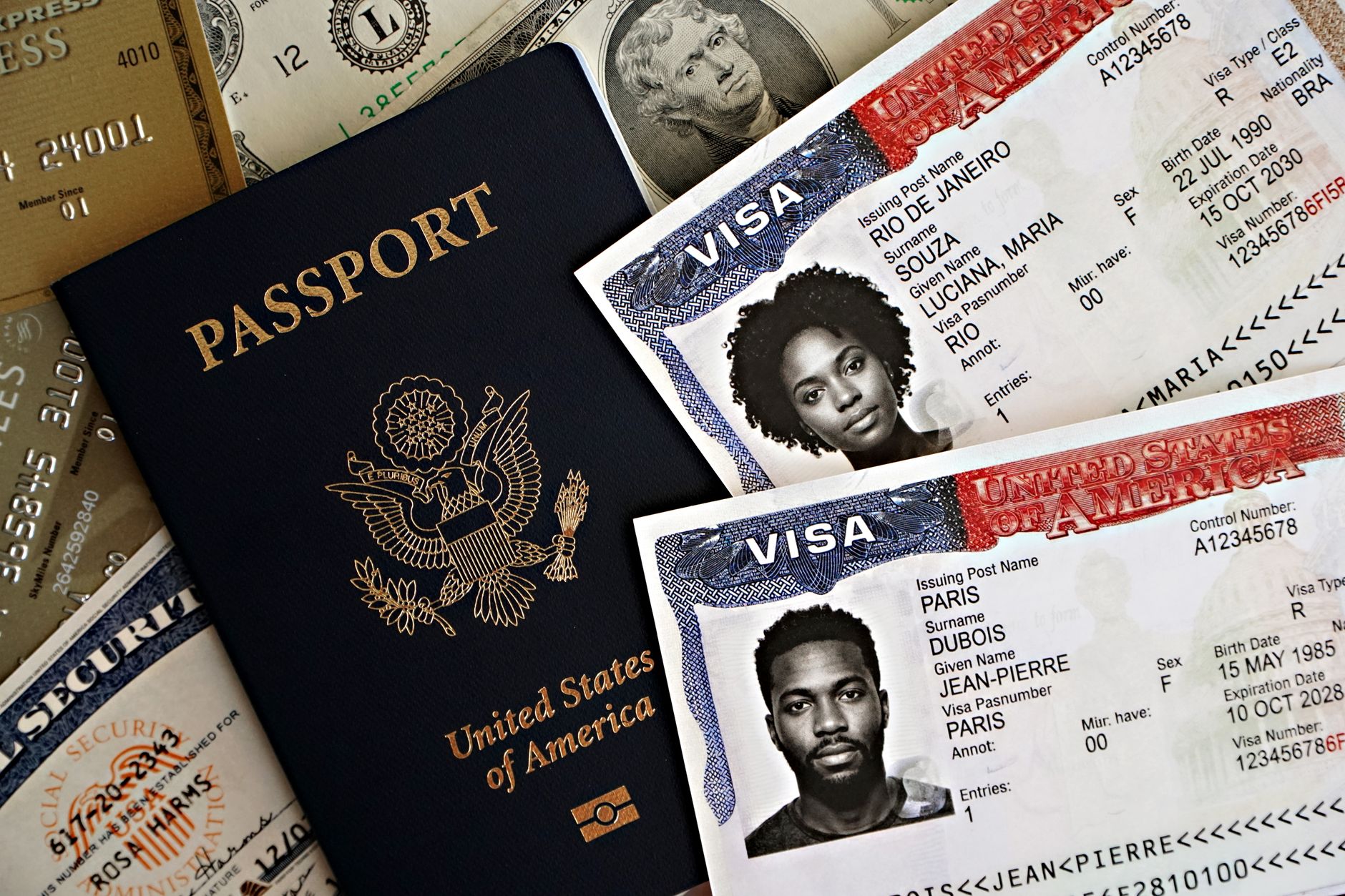
- Documentation: Ensure that all personal and immigration-related documents are organized and up-to-date. This includes passports, visas, and employment records.
- Legal Consultation: If possible, consult with an immigration attorney who can provide tailored advice based on your situation.
- Community Engagement: Connect with community groups and forums that discuss immigration issues. Sharing experiences can provide insights and support.
- Plan Ahead: Anticipate potential challenges and have contingency plans in place to address possible changes in immigration status.
Being proactive and informed will help Indian nationals navigate the complexities of critical rights checks and ensure smooth transitions in the immigration process.
Expert Opinions on Rights Checks
Experts in immigration law are increasingly vocal about the significance of critical rights checks for Indians. According to Dr. Anjali Sharma, a prominent immigration attorney, “These checks are essential in ensuring that the rights of Indian nationals are protected during the immigration process.” She emphasizes the need for transparency and fairness in the implementation of these checks.
Furthermore, Professor Rajiv Mehta, a public policy analyst, argues that “the outcome of critical rights checks could redefine the relationship between India and host countries.” He believes that a structured approach to these checks will benefit not only the individuals involved but also the countries that host them.
Many experts agree on the importance of public awareness regarding these rights. Dr. Priya Gupta, a human rights advocate, states, “Indians must be informed about their rights and the procedures in place to protect them.” She urges citizens to stay updated and actively engage in discussions about immigration policies.
As the landscape evolves, critical rights checks for Indians will continue to play a pivotal role in shaping the future of immigration and the rights of individuals abroad.
Conclusion: Navigating the Immigration Landscape
In conclusion, navigating the immigration landscape requires a nuanced understanding of the critical rights checks for Indians. As regulations evolve, it is essential for Indian nationals to stay informed and proactive in addressing potential challenges. The landscape of immigration is continually shifting, and awareness of critical rights checks can significantly impact one’s journey.
Individuals should consider the following strategies to better navigate these changes:
- Stay Informed: Regularly check updates on immigration policies and critical rights checks to understand your rights and responsibilities.
- Seek Professional Advice: Consulting with immigration experts can provide tailored guidance and help clarify complex regulations.
- Engage in Community Support: Connecting with community organizations can offer resources and support networks for navigating the immigration process.
- Document Everything: Keeping thorough records of all interactions with immigration authorities can safeguard your rights and streamline the process.
By taking these proactive steps, Indian nationals can better navigate the complexities of immigration, ensuring that their rights are upheld amidst changing regulations.
Photo by Shantum Singh on Pexels
Sources
Related stories
TWG Tea museum: Best Proven Experience at Changi Airport · Delhi traffic update: What’s the worst route today? · Beefeater site reopening: Is it the best choice for travelers?