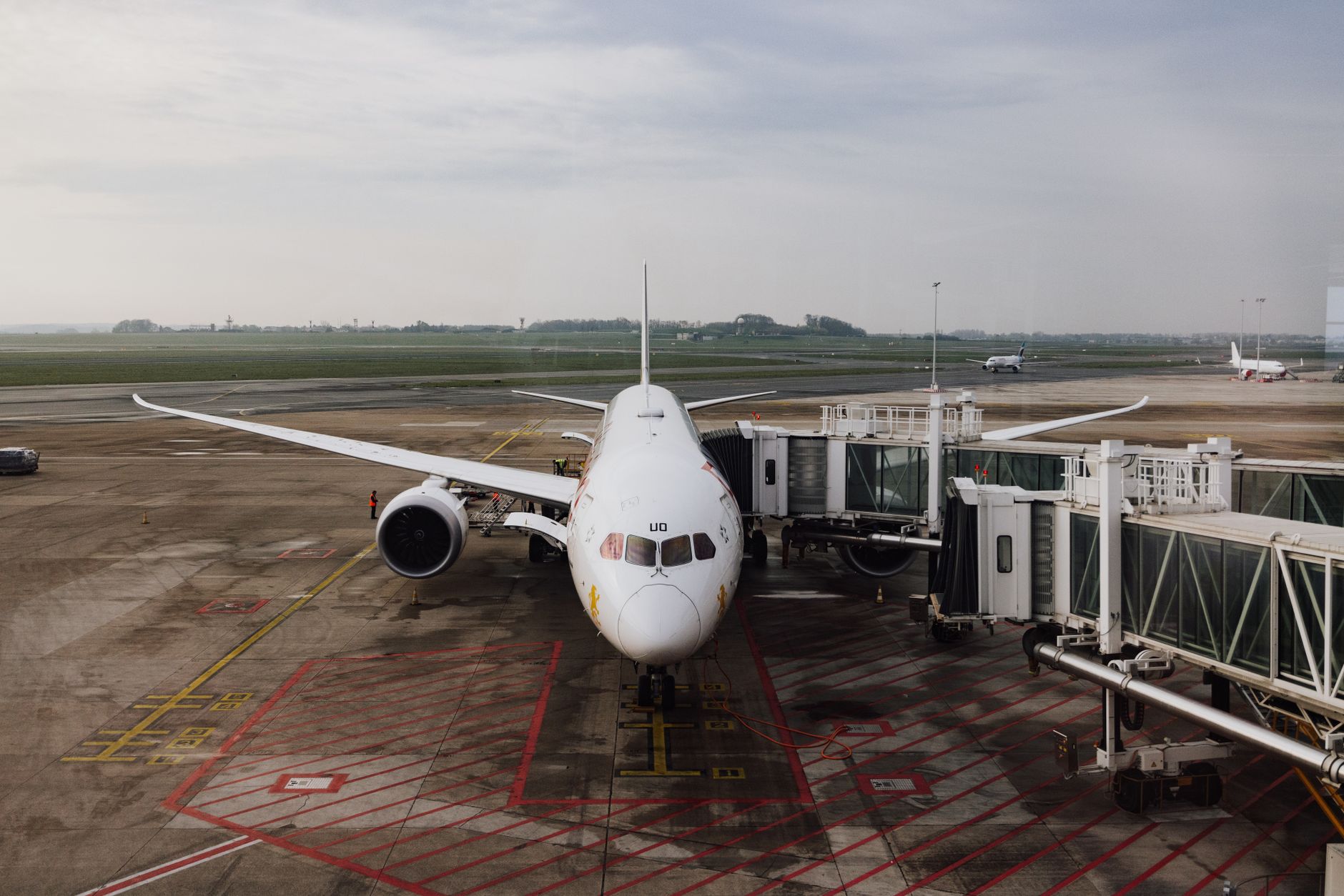
Thailand international routes are becoming a focus as AOT holds talks with airlines to explore new opportunities.
Overview of Thailand’s International Routes
Thailand’s international routes have become a focal point for growth in the aviation sector, especially as the country seeks to re-establish its position as a prime destination for travelers. After the disruptions caused by the pandemic, the Thai government and the Airports of Thailand Public Company Limited (AOT) are actively engaging with airlines to explore new international route options.
The strategy revolves around several key objectives:
- Enhancing Connectivity: By establishing new international routes, Thailand aims to improve connectivity with major global markets, facilitating easier travel for both tourists and business travelers.
- Boosting Tourism: With a focus on attracting tourists from various countries, the expansion of international routes is expected to significantly boost the tourism industry, which is vital for the nation’s economy.
- Collaborative Efforts: AOT is working closely with airline partners to understand market demand and identify potential new routes that can be profitable for both parties.
As the discussions progress, stakeholders remain optimistic about the potential for Thailand’s international routes to provide a significant boost to the aviation sector and the broader economy. The renewed focus on expanding air travel options reflects a commitment to not only recover but thrive in the post-pandemic landscape.
AOT’s Strategy for Expanding Routes
The Airports of Thailand Public Company Limited (AOT) is actively pursuing strategies to expand Thailand international routes, aiming to enhance connectivity and boost tourism. In recent discussions with various airlines, AOT outlined its vision for tapping into new markets and increasing flight frequency to existing destinations.
AOT’s strategy includes several key components:
- Market Research: AOT is conducting comprehensive studies to identify emerging travel trends and potential international routes that align with passenger demand.
- Partnerships with Airlines: Engaging in dialogues with both established and low-cost carriers will facilitate collaboration and innovation in route planning.
- Investment in Infrastructure: Upgrading airport facilities and services is essential to accommodate increased traffic and ensure a seamless travel experience.
- Promotional Campaigns: By launching targeted marketing initiatives, AOT aims to attract more airlines to operate in Thailand, thereby expanding the network of international routes.
With these initiatives, AOT not only seeks to improve the current offerings but also aspires to position Thailand as a leading hub for international air travel in Southeast Asia. The focus on collaboration with airlines and investment in infrastructure demonstrates AOT’s commitment to fostering growth in the aviation sector.
Impact on Tourism in Thailand
The expansion of Thailand’s international routes is poised to significantly impact the country’s tourism sector. With the recent discussions held by Airports of Thailand (AOT) and various airlines, the focus on enhancing connectivity is evident. More international routes will not only attract more travelers but also encourage longer stays, contributing to the overall economic growth.
One of the primary benefits of expanding these routes is the potential increase in international tourist arrivals. As more airlines are offered access to Thailand’s airports, it becomes easier for travelers from different regions to plan their visits. This is particularly crucial for visitors from emerging markets, where demand for travel is rapidly growing.
Additionally, the enhanced international routes will facilitate better connections between Thailand and major global cities. This accessibility can lead to:
- Increased Competition: More airlines on a route can drive down ticket prices, making travel to Thailand more affordable.
- Cultural Exchange: A diverse influx of tourists promotes cultural understanding and exchange, enriching the local experience.
- Job Creation: The boost in tourism often results in job opportunities in hospitality, travel, and local businesses.
In conclusion, the strategic expansion of Thailand’s international routes is expected to have a profound and positive impact on tourism, paving the way for sustainable growth and development.
Challenges Facing Airlines in New Routes
The expansion of Thailand’s international routes presents numerous challenges for airlines looking to tap into new markets. These challenges can significantly impact the successful implementation of new routes and overall growth strategies.
One major issue is the regulatory environment. Airlines must navigate a complex web of international agreements and local regulations, which can vary drastically from one country to another. Ensuring compliance while negotiating favorable terms can be a daunting task.
Another challenge is the competition from established carriers. Many international routes are already serviced by well-established airlines, making it difficult for new entrants to capture market share. Airlines must develop unique offerings and competitive pricing strategies to attract travelers.
Additionally, operational logistics pose significant hurdles. These include securing slots at busy airports, managing fleet availability, and coordinating staff for new destinations. Any delays or complications in these areas can hinder expansion plans.
Lastly, airlines must consider the economic climate. Factors such as fluctuating fuel prices, currency exchange rates, and changing consumer preferences can influence the viability of new international routes. Airlines must remain adaptable to succeed in this dynamic environment.
In conclusion, while the potential for growth in Thailand’s international routes is promising, airlines must navigate a series of challenges to realize that potential.
To capitalize on emerging markets, airlines must explore innovative partnerships along Thailand international routes. Additionally, enhancing customer experience on Thailand international routes can lead to increased passenger loyalty and repeat business.