
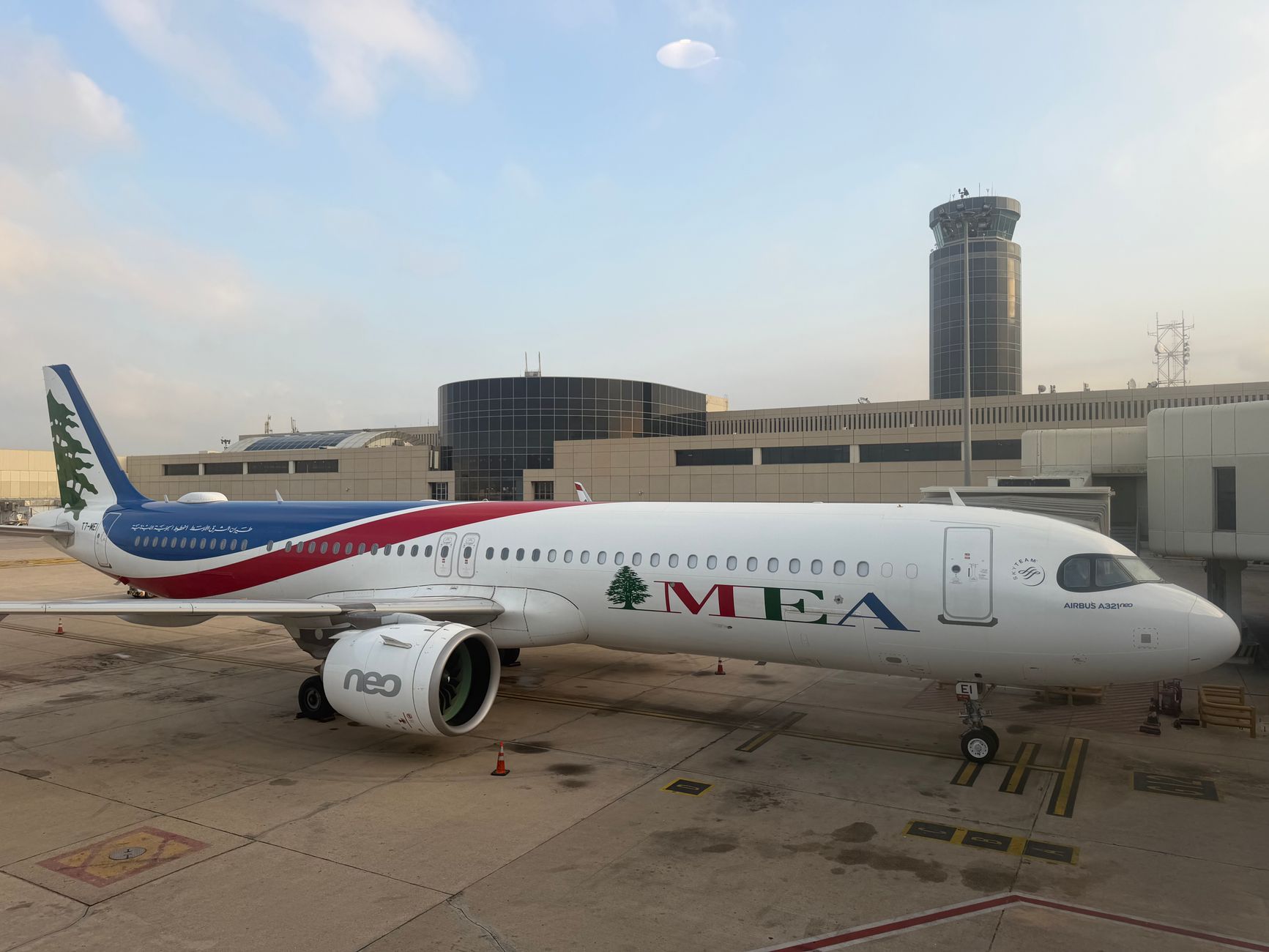
Middle East flight operations are experiencing significant changes. In this article, we will explore the latest updates and how they affect travelers.
Current Status of Middle East Flight Operations
The current status of Middle East flight operations shows a significant improvement in air travel across the region. Airlines are gradually resuming services, with many routes returning to pre-pandemic levels. Key factors contributing to this recovery include:
- Increased Vaccination Rates: High vaccination rates among the population have boosted traveler confidence.
- Government Initiatives: Many governments are implementing policies to facilitate smoother travel and ensure safety.
- Airline Flexibility: Airlines are offering flexible booking options to accommodate changing travel plans.
As a result, passengers can expect more reliable schedules and enhanced safety measures. Travelers are encouraged to stay updated on the latest news regarding Middle East flight operations to ensure a smooth journey.
Impact of Political Situations on Flights
The ongoing political situations in the Middle East have significantly impacted flight operations throughout the region. Airlines are constantly adapting to the changing landscape to ensure passenger safety and operational efficiency.
Key factors influencing these operations include:
- Escalating Conflicts: Areas experiencing unrest may see flight cancellations or rerouting to avoid conflict zones.
- Travel Restrictions: Governments may impose sudden travel bans or restrictions that affect outgoing and incoming flights.
- Security Protocols: Increased security measures at airports can lead to longer wait times and operational delays.
Despite these challenges, airlines are striving to maintain reliable services, emphasizing the importance of staying informed about the latest updates regarding Middle East flight operations.
Airline Responses to Operational Changes
Airlines have been quick to adapt to the ongoing changes affecting Middle East flight operations. With a focus on passenger safety and convenience, several carriers have implemented new protocols and adjusted their schedules accordingly.
Key responses from major airlines include:
- Increased Flexibility: Many airlines are allowing free changes or cancellations to accommodate passengers affected by the ongoing situation.
- Enhanced Safety Measures: Rigorous cleaning protocols and health checks are being enforced to ensure passenger safety during flights.
- Communication Efforts: Airlines are proactively updating travelers about any changes in flight operations through various channels, including emails and social media.
These steps highlight the commitment of airlines to maintain trust and reliability amidst the evolving landscape of Middle East flight operations.
Travel Tips for Passengers
As travelers navigate the complexities of Middle East flight operations, it’s essential to stay informed and prepared. Here are some travel tips to enhance your journey:
- Check Flight Status Regularly: Always confirm your flight schedule before heading to the airport, as changes may occur due to evolving circumstances.
- Arrive Early: Given potential delays, arrive at the airport well in advance to allow for any unexpected developments.
- Stay Updated on Travel Restrictions: Be aware of any travel advisories or restrictions that may affect your plans.
- Pack Essentials: Ensure you have necessary items like medications and important documents readily accessible.
- Keep Communication Open: Maintain contact with your airline for real-time updates and support.
By following these tips, passengers can navigate the current landscape with greater ease and confidence.
Future Projections for Middle East Travel
As the aviation landscape continues to evolve, future projections for Middle East flight operations remain optimistic. Industry experts suggest that demand for air travel in the region will see a significant uptick, fueled by both tourism and business travel.
Key factors influencing this growth include:
- Economic Recovery: As economies rebound post-pandemic, more travelers are expected to take to the skies.
- Infrastructure Investments: Continued investments in airport facilities and technology are set to enhance operational efficiency.
- Increased Connectivity: Airlines are expanding routes and frequencies, making travel more accessible.
- Strategic Partnerships: Collaborations between airlines are likely to improve service offerings and streamline operations.
Overall, the future of Middle East flight operations appears bright, promising a robust travel environment for passengers and airlines alike.
Safety Measures for Travelers
As flight operations in the Middle East continue to adapt to evolving circumstances, safety measures for travelers remain a top priority. Airlines are implementing enhanced protocols to ensure the well-being of passengers and crew alike. These measures include:
- Health screenings: Passengers may undergo temperature checks and health questionnaires prior to boarding.
- Sanitization: Increased cleaning of aircraft, including high-touch surfaces, is being enforced.
- Mask mandates: Travelers are often required to wear masks throughout the flight to minimize health risks.
- Social distancing: Airlines are adjusting seating arrangements to allow for more space between passengers.
These safety measures reflect the industry’s commitment to secure Middle East flight operations, ensuring that travelers can embark on their journeys with confidence.
Customer Service Insights from Airlines
As Middle East flight operations continue to adapt to evolving circumstances, airlines are prioritizing customer service to enhance the travel experience. Several carriers have implemented new measures to better assist passengers during these unprecedented times. Key insights from airlines include:
- 24/7 Support: Many airlines now offer round-the-clock customer service via phone and online chat, ensuring travelers can receive assistance at any hour.
- Flexible Policies: Airlines are adopting more lenient cancellation and change policies to accommodate passengers affected by operational disruptions.
- Enhanced Communication: Regular updates regarding flight status and safety protocols are being communicated through email and social media channels.
- Dedicated Help Centers: Some airlines have established special teams to address customer inquiries specifically related to Middle East flight operations.
These initiatives aim to provide travelers with reassurance and support as they navigate their journeys.
Frequently Asked Questions about Flight Operations
As travelers navigate the complexities of air travel, many have questions regarding Middle East flight operations. Here are some frequently asked questions:
- What are the current flight restrictions? Many airlines are continuously updating their schedules based on evolving political situations.
- How can I stay informed about my flight? It is advisable to check with your airline for real-time updates and alerts.
- Are there specific safety protocols in place? Yes, airlines are implementing enhanced safety measures to ensure passenger well-being.
- What should I do if my flight is canceled? Contact your airline promptly for rebooking options and compensation details.
Staying informed is key to navigating the current landscape of Middle East flight operations.
Photo by Anthony Rahayel on Pexels