
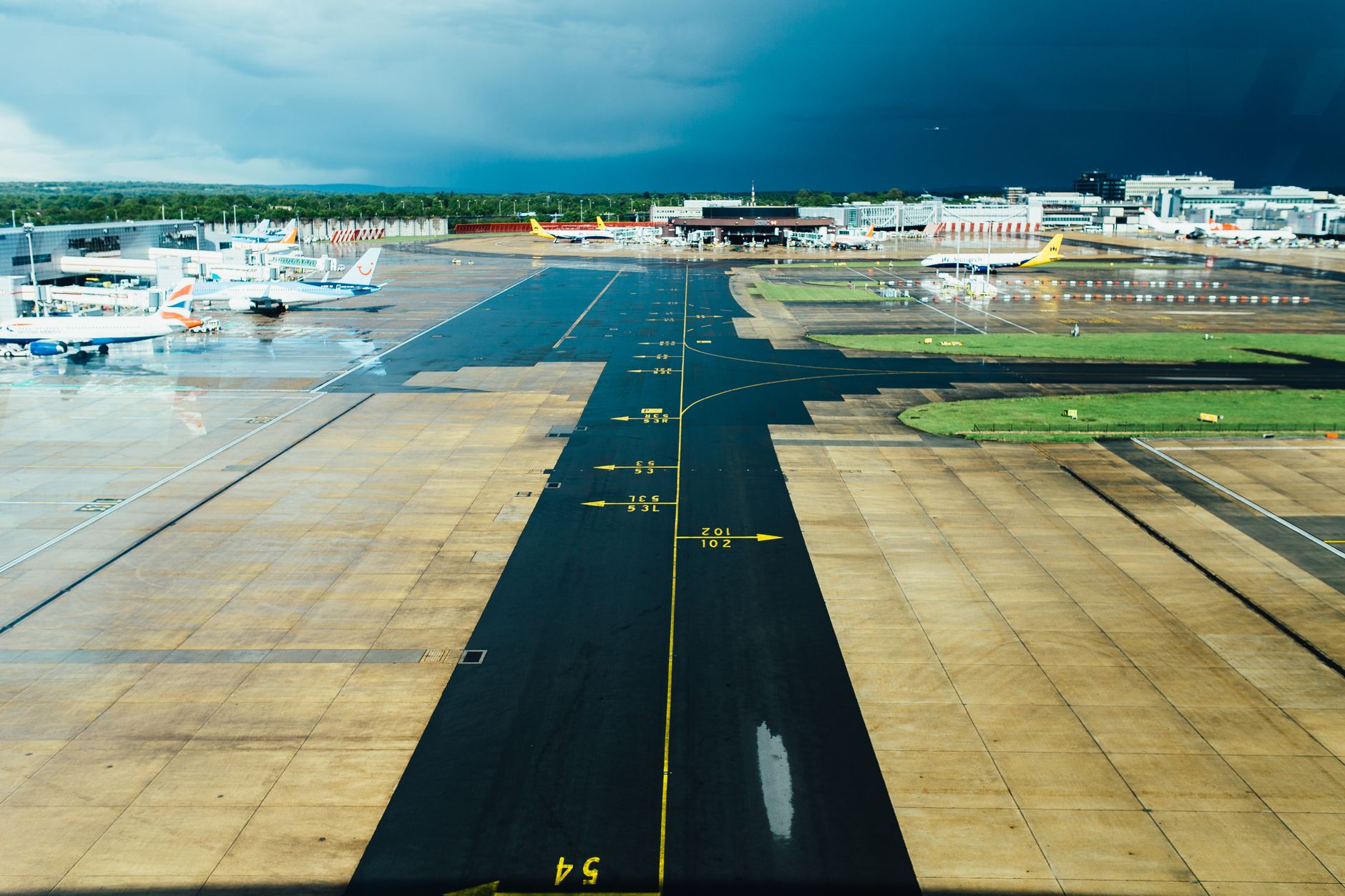
Air India flight delay was a significant concern when a flight was just 2.5 hours from its destination. This incident raises questions about air travel safety.
What caused the Air India flight delay?
The recent Air India flight delay has raised significant concerns among travelers, particularly regarding the factors contributing to such disruptions. In a notable incident, an Air India flight from Delhi to San Francisco was just 2.5 hours away from its destination when it faced an unexpected delay due to issues with US Air Traffic Control (ATC).
This situation is not isolated, as multiple flights experienced delays under similar circumstances. Specifically, all five Air India flights landed on time despite the ATC failure, indicating a complex interplay between operational efficiency and external factors beyond the airline’s control.
Travelers are often left wondering about the reliability of their chosen airlines when faced with delays. Common causes of flight delays include:
- Weather conditions: Severe weather can impact flight schedules significantly.
- Technical issues: Aircraft require regular maintenance and sometimes unexpected repairs.
- Air traffic control regulations: Delays can stem from restrictions imposed by ATC.
While Air India flight delays can be frustrating, understanding the underlying causes may help travelers navigate their journey more effectively.
Understanding the role of US ATC in air travel
The recent Air India flight delay has highlighted the crucial role of the United States Air Traffic Control (ATC) system in ensuring the safety and efficiency of air travel. As one of the busiest airspaces in the world, the U.S. relies on a sophisticated network of ATC services to manage aircraft movements.
When an ATC failure occurs, it can have immediate and widespread consequences. In the case of the Air India flight, the aircraft was only 2.5 hours away from its destination when the failure happened. This situation not only delayed the flight but also raised questions about the reliability of air traffic management during peak travel times.
Passengers and airlines alike depend on ATC for:
- Real-time communication: Ensuring pilots receive timely updates on airspace conditions.
- Flight routing: Optimizing flight paths to minimize delays and fuel consumption.
- Safety measures: Maintaining safe distances between aircraft to prevent collisions.
As air travel continues to grow, understanding these systems becomes essential to mitigate risks like the recent Air India flight delay.
Impact of air traffic control failures
Air traffic control failures can have significant repercussions not only for airlines but also for passengers. When an incident occurs, such as the recent Air India flight delay due to a US ATC failure, the effects can ripple through the entire travel experience.
Passengers often find themselves stranded or facing extended waiting times, which can lead to:
- Increased stress: Uncertainty about connecting flights and accommodations can create anxiety among travelers.
- Financial losses: Delays can result in missed appointments, additional hotel stays, or costs related to rescheduling flights.
- Operational challenges: Airlines may struggle to manage their schedules, leading to further delays and cancellations.
In the case of the Air India flight delay, the aircraft was only 2.5 hours away from its destination when the US ATC issue arose. This not only affected the specific flight but also had a cascading impact on other flights in the system.
Given these factors, the potential for air traffic control failures to disrupt travel plans underscores the importance of robust communication and contingency planning in the aviation industry.
Safety measures for international flights
As travelers become increasingly concerned about delays, understanding the safety measures for international flights is essential. Despite recent incidents like the Air India flight delay, airlines prioritize passenger safety through comprehensive protocols.
Key safety measures include:
- Regular Maintenance: Airlines are required to conduct routine checks and maintenance on aircraft to ensure airworthiness and minimize the risk of technical failures.
- Trained Crew: Flight crews undergo rigorous training, including emergency procedures and crisis management, to handle unexpected situations effectively.
- Real-Time Monitoring: Advanced technology enables constant monitoring of flight conditions, allowing for quick responses to air traffic control changes or other unforeseen events.
- Passenger Briefings: Before takeoff, passengers are provided with safety briefings that cover emergency protocols, ensuring they are prepared for any situation.
- Collaboration with Authorities: Airlines work closely with air traffic control and other aviation authorities worldwide to maintain safety and efficiency in air travel.
Ultimately, while an Air India flight delay may disrupt travel plans, the robust safety measures in place help protect passengers throughout their journey.
How Air India handled the situation
In response to the recent Air India flight delay caused by a failure in the US Air Traffic Control system, the airline implemented a comprehensive plan to address passenger concerns and ensure safety. Upon landing, Air India provided immediate assistance to all affected travelers, including meal vouchers and accommodation for those needing overnight stays. The airline prioritized communication, offering updates via text messages and announcements, which helped ease the anxiety of passengers waiting for further information.
Additionally, Air India initiated a review of its operational protocols to enhance its response to unexpected delays in the future. The airline’s management emphasized the importance of staff training in crisis situations, ensuring that crew members are well-equipped to handle similar occurrences effectively.
Passengers were also encouraged to provide feedback on their experience through multiple channels, which Air India plans to use to improve service and customer relations. As the airline continues to navigate the complexities of air travel, it remains focused on maintaining transparency and accountability in its operations, striving to minimize the impact of any potential delays on its passengers.
Travel tips for flying with Air India
Traveling can be stressful, especially when faced with an Air India flight delay. To help you navigate your journey more smoothly, consider the following tips:
- Stay informed: Regularly check the status of your flight on the Air India website or app. Sign up for notifications to receive real-time updates.
- Arrive early: Arriving at the airport well in advance can reduce stress. Aim to be at the airport at least three hours before international flights.
- Pack essentials in your carry-on: Keep important items such as medications, travel documents, and a change of clothes in your carry-on bag.
- Know your rights: Familiarize yourself with Air India’s policies regarding delays and cancellations to understand what compensation you may be entitled to.
- Stay connected: Use airport Wi-Fi or your mobile data to stay in touch with friends or family and keep them updated on your travel status.
- Be patient: Delays can be frustrating, but maintaining a calm demeanor can help you and your fellow travelers cope better.
By following these tips, you can minimize the impact of any unexpected delays during your journey.
Future of air travel safety regulations
The future of air travel safety regulations is increasingly becoming a focal point for airlines and passengers alike, especially in light of incidents like the recent Air India flight delay. As air traffic control systems face modernization challenges, the need for robust safety measures is critical.
Experts suggest that regulatory bodies must adapt to the growing complexities of air travel. Potential changes include:
- Enhanced technology integration: Upgrading air traffic control systems to incorporate advanced software and hardware can improve real-time decision-making.
- Stricter compliance standards: Airlines may need to adhere to more rigorous safety protocols to minimize risks associated with flight delays.
- Increased transparency: Providing passengers with timely information about flight statuses could help manage expectations during delays.
Furthermore, international cooperation among aviation authorities is essential to ensure uniform safety regulations. In an interconnected world, the repercussions of a single failure can have widespread effects, as seen with the Air India flight delay. As stakeholders work together to improve safety measures, the goal remains clear: to enhance the overall flying experience while ensuring passenger safety.
Photo by Negative Space on Pexels