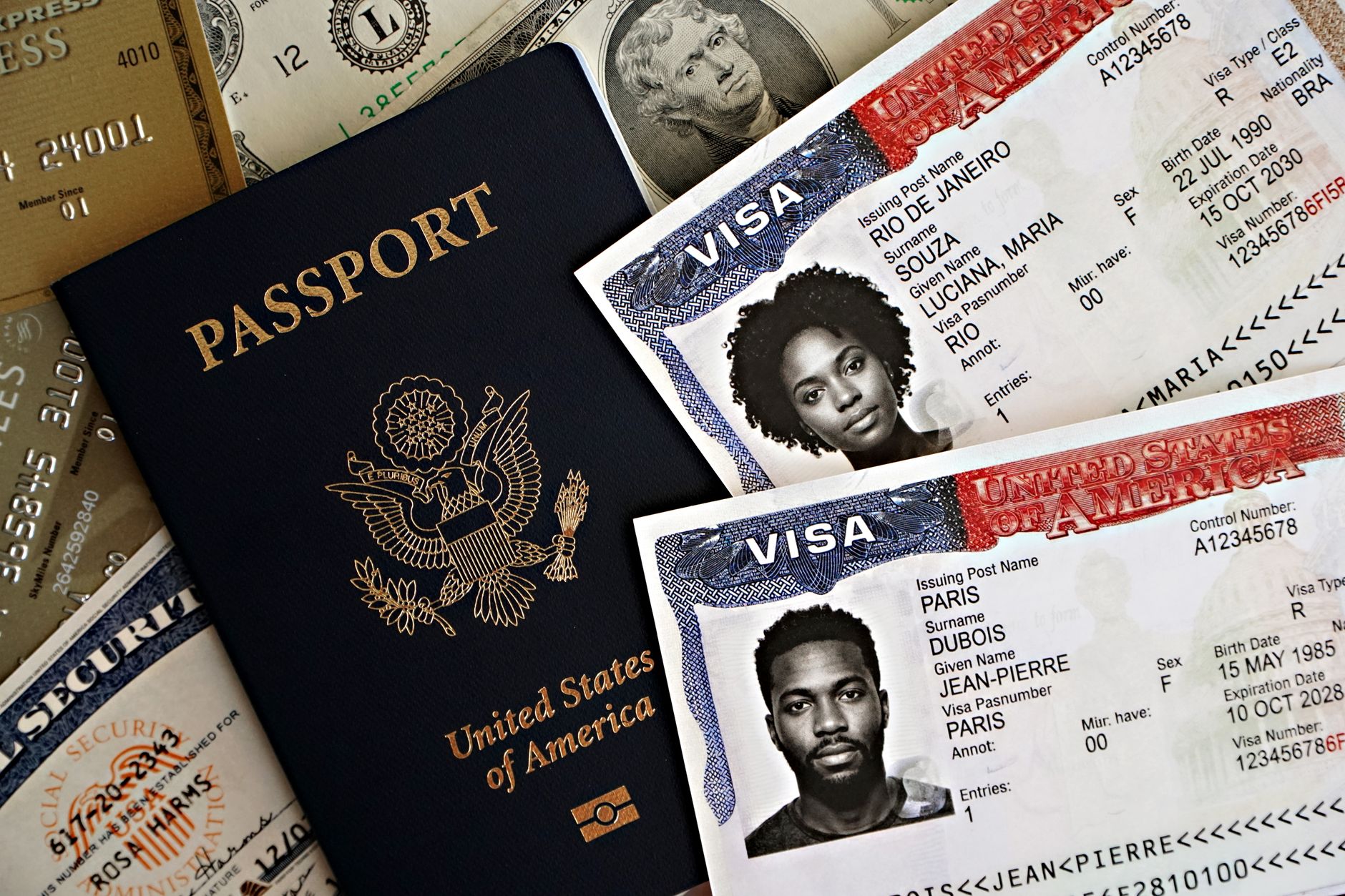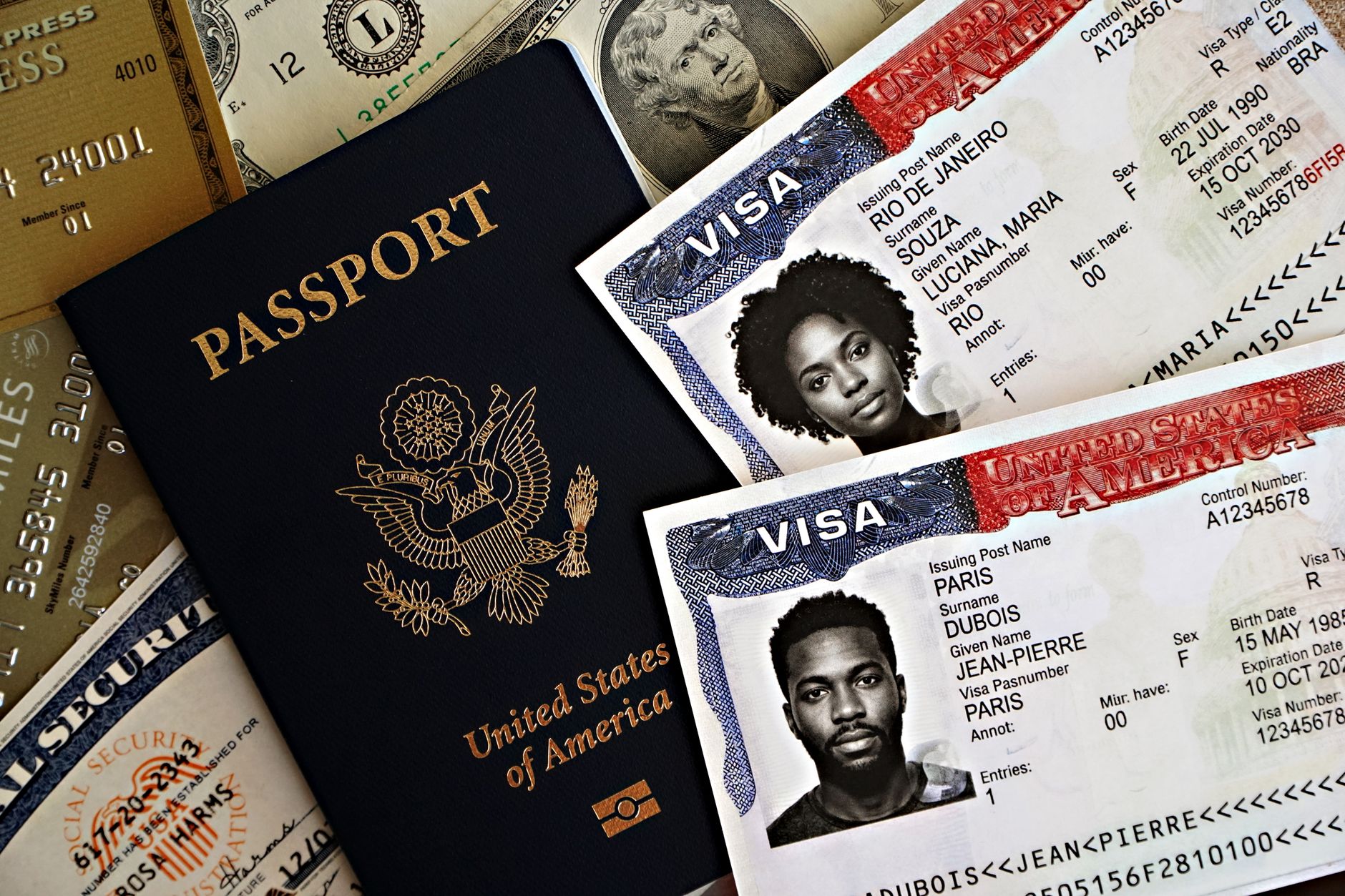

The Australian student visa dependants ban has raised significant concerns among international students. This policy change is expected to affect many families relying on dependants for support.
Understanding the Australian student visa dependants ban
The recent announcement regarding the Australian student visa dependants ban has raised concerns among prospective international students and their families. This policy change restricts the ability of students to bring dependants with them during their studies, a move that could significantly impact Australia’s appeal as a study destination.
Understanding the implications of this ban involves examining several key factors:
- Impact on enrolment: Educational institutions fear that the ban may deter students from applying, particularly those from countries where family support is crucial.
- Financial considerations: Many students rely on dependants for financial support, and the inability to bring family may create additional financial strain.
- Social dynamics: The absence of family can lead to increased isolation and mental health challenges for students navigating life in a foreign country.
As discussions continue around the Australian student visa dependants ban, stakeholders are calling for a reassessment of the policy to mitigate its potential negative effects on the education sector and the overall economy.
Impact of the ban on international students
The recent Australian student visa dependants ban has raised significant concerns among current and prospective international students. Many students rely on the support of their families while studying abroad, and the restriction on dependants can profoundly affect their mental well-being and academic performance.
Students from various countries have expressed feelings of isolation and anxiety, as the absence of family members during their studies can lead to a lack of emotional support. This change is likely to deter potential international students from choosing Australia as their study destination, particularly when compared to other countries that allow dependants.
Furthermore, the ban may impact Australia’s economy, as international students contribute significantly to the local market. With fewer students enrolling, universities could face financial strain, leading to potential cuts in programs and services that benefit all students.
As the situation develops, the long-term effects of the Australian student visa dependants ban remain uncertain. Stakeholders, including educational institutions and advocacy groups, are calling for a reevaluation of the policy to ensure that Australia remains a welcoming environment for international students.
Alternatives for affected families
The recent Australian student visa dependants ban has left many families searching for viable alternatives to pursue their educational goals in Australia. Affected families face significant challenges, but there are several options they can explore.
- Temporary Visitor Visas: Families can apply for temporary visitor visas, allowing them to visit Australia while the student completes their studies. This option provides limited stay and does not grant work rights.
- Partner Visas: If one partner is studying, the other may apply for a partner visa, which can offer a pathway to stay in the country and work while supporting their spouse’s education.
- Education Pathways: Families may consider enrolling dependants in local schools, which can provide educational opportunities for children while the main applicant studies.
- Scholarships: Some institutions offer scholarships or financial aid, which may alleviate some financial strain and make studying in Australia more feasible without dependants.
Each of these alternatives has its own set of requirements and implications, but they can provide support for families impacted by the Australian student visa dependants ban.
Government response to visa concerns
The Australian government has faced significant backlash over the recent Australian student visa dependants ban, which restricts international students from bringing family members with them while studying. In response to growing concerns, officials have emphasized the need to prioritize domestic resources and ensure that educational institutions can adequately support their students.
The Minister for Education stated, “We must balance the needs of international students with those of Australian citizens and residents,” highlighting the government’s commitment to maintaining a sustainable educational environment. However, critics argue that this decision disproportionately affects international students, particularly those from countries where family support is crucial for academic success.
In light of the controversy, several advocacy groups have called for a review of the policy. They argue that allowing dependants can enhance the overall experience for students, leading to better academic outcomes. The government is currently assessing feedback from various stakeholders, including universities and student organizations, to gauge the impact of the ban and possibly adjust its stance on future international student policies.
Photo by Tima Miroshnichenko on Pexels