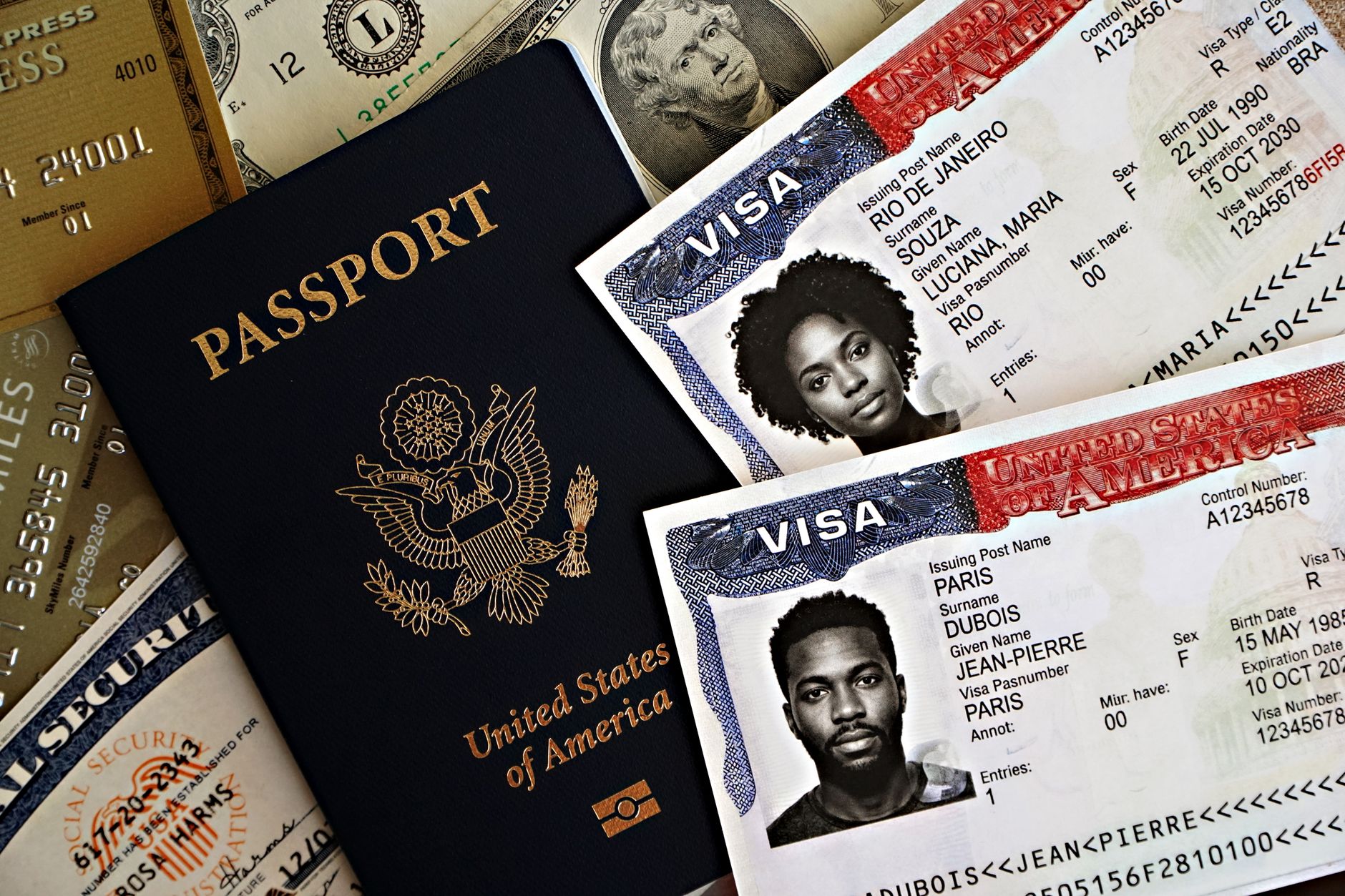

Social media vetting visa requirements are now expanded in the U.S., affecting three key visa categories. This change aims to enhance national security and streamline immigration processes.
Overview of New Visa Vetting Procedures
In a significant move to enhance national security, the U.S. government has announced new rules for social media vetting visa procedures, expanding mandatory checks to three additional visa categories. This change aims to strengthen the screening process for foreign nationals seeking entry into the United States.
The updated guidelines will apply to the following visa categories:
- Student visas (F and M categories)
- Exchange visitor visas (J category)
- Tourist visas (B-1/B-2 categories)
Under the social media vetting visa initiative, applicants will be required to disclose their social media handles used in the past five years. This includes platforms such as Facebook, Twitter, Instagram, and other popular networks. The objective is to assess potential risks and identify any connections to extremist activities or other threats to national security.
While officials argue that these measures are essential for protecting the country, critics express concerns about privacy and the potential for discrimination. They fear that such extensive scrutiny may deter individuals from applying for visas, especially those who are unaware of the implications of their social media presence.
The implementation of these new procedures is part of a broader effort to enhance security without compromising the values of openness and inclusivity that the U.S. has long upheld.
Impact on Visa Applicants
The recent expansion of social media vetting requirements for U.S. visa applicants has sparked significant concern among prospective travelers. With the introduction of these new rules, individuals applying for certain visa categories must now submit their social media handles as part of the application process.
This change aims to enhance national security but raises questions about privacy and the implications for those seeking to enter the United States. Many applicants fear that their online activity could be misinterpreted or scrutinized excessively. As a result, some may reconsider their travel plans or feel a sense of unease when sharing their social media profiles.
The impact on visa applicants can be categorized into several key areas:
- Increased Scrutiny: Applicants may face heightened scrutiny based on their online presence, leading to potential delays or denials.
- Privacy Concerns: The requirement for social media handles raises concerns about personal privacy and the extent of government surveillance.
- Impact on Travel Decisions: Some individuals may choose to avoid applying for visas altogether due to the fear of social media vetting consequences.
As these new regulations take effect, it remains to be seen how they will shape the future of U.S. visa applications and the experiences of travelers worldwide.
Reasons Behind the Expansion
The expansion of social media vetting visa requirements comes as part of a broader initiative to enhance national security and streamline immigration processes. The U.S. government has identified several key reasons for this significant shift in policy.
- National Security: The primary goal is to mitigate risks associated with terrorism and other threats. By scrutinizing social media activity, authorities aim to identify potential risks before granting entry.
- Increased Transparency: Social media vetting allows for greater insight into applicants’ backgrounds and affiliations, promoting a more informed decision-making process.
- Global Trends: Many countries are adopting similar measures in their immigration systems. The U.S. is responding to an evolving global landscape where public online behavior can influence a person’s eligibility for entry.
- Preventing Fraud: By reviewing social media accounts, officials can better detect inconsistencies or fraudulent claims regarding an applicant’s identity and intentions.
- Improved Data Collection: The increase in social media vetting helps the U.S. gather data on migration patterns and trends, assisting in future policy formulation.
Overall, the social media vetting visa initiative reflects a commitment to ensuring safety while balancing the needs of legitimate travelers.
What Visa Categories Are Affected?
The recent expansion of social media vetting procedures by the U.S. government has significant implications for various visa categories. Starting this year, the mandatory social media vetting visa process will now encompass three specific categories, which include:
- Nonimmigrant Visas: This category covers individuals seeking temporary entry into the U.S. for purposes such as work, study, or tourism. The scrutiny of social media accounts aims to assess the applicants’ background and ties to their home country.
- Immigrant Visas: Applicants seeking permanent residence in the U.S. will also be subject to this new vetting process. This includes individuals applying through family sponsorship or employment-based channels.
- Refugee and Asylee Visas: Those seeking protection in the U.S. due to persecution in their home countries will face social media checks as part of their vetting process. This is intended to ensure the integrity of the asylum system.
The introduction of social media vetting visa procedures raises concerns among applicants about privacy and the potential for bias in assessing their online presence. As the guidelines become more stringent, applicants are encouraged to be mindful of their social media activity.
How to Prepare for Social Media Vetting
As the U.S. implements new rules regarding social media vetting visa procedures, it is crucial for applicants to adequately prepare for this process. Here are some steps to ensure a smooth application experience:
- Review Your Social Media Accounts: Begin by auditing your public profiles on various platforms. Ensure that your content aligns with U.S. values and policies.
- Secure Your Privacy Settings: Adjust the privacy settings on your accounts to limit access to sensitive information that might raise concerns during the vetting process.
- Document Your Online Presence: Keep a record of your social media activity, including posts, comments, and interactions, particularly those that may be viewed as controversial.
- Be Prepared to Explain: If your accounts contain posts that could be misinterpreted, be ready to clarify your intentions and provide context during your visa interview.
- Stay Informed: Regularly check for updates regarding social media vetting visa requirements, as policies may evolve over time.
By taking these proactive steps, visa applicants can better navigate the complexities of the social media vetting process and improve their chances of a successful entry into the United States.
Expert Opinions on the Changes
Experts in immigration policy have expressed a range of opinions regarding the recent implementation of social media vetting visa requirements. Many believe that this move is a necessary step to enhance national security. Dr. Emily Carter, a policy analyst at the Migration Institute, stated, “While the intention behind social media vetting is clear, it raises concerns about privacy and the potential for discrimination.”
On the other hand, Professor John Lee, a legal expert specializing in immigration law, argues that the new regulations could be overly intrusive. “The social media vetting visa process could deter legitimate travelers from applying, as they may fear that their online activity will be scrutinized,” he noted.
Additionally, Sarah Thompson, a social media strategist, pointed out the challenges applicants may face. “Many individuals use social media to express their opinions and connect with others, which could be misinterpreted. It’s critical for applicants to understand how their online presence may be perceived,” she remarked.
As discussions continue, it is clear that while the intention of the social media vetting visa process focuses on security, the implications for privacy and accessibility remain a contentious issue among experts and potential applicants alike.
Future of U.S. Immigration Policies
The future of U.S. immigration policies is becoming increasingly intertwined with social media vetting, as the government seeks to enhance security measures while balancing the rights of individuals. As new rules are implemented regarding the social media vetting visa, experts predict several potential outcomes that could shape the landscape of immigration.
One significant change may be the introduction of more nuanced guidelines that account for the diverse online behaviors of applicants. This could lead to a more personalized approach that distinguishes between harmful and benign online activities. Additionally, there is concern that excessive scrutiny of social media could deter potential immigrants, particularly those from marginalized communities.
As the U.S. continues to refine its immigration framework, policymakers must consider the implications of these vetting processes on international relations. The reputation of the U.S. as a welcoming nation might be at stake if stringent social media vetting policies are perceived as invasive or discriminatory.
In response to these challenges, advocacy groups are calling for transparency and fairness in the vetting process. They argue that it is essential to protect the privacy rights of individuals while ensuring national security. Ultimately, the evolution of immigration policies will depend on finding the right balance between safety and accessibility.
The implementation of the social media vetting visa has raised concerns among privacy advocates. As travelers navigate the new rules for U.S. entry, understanding the implications of the social media vetting visa is crucial.
Photo by Tranmautritam on Pexels