
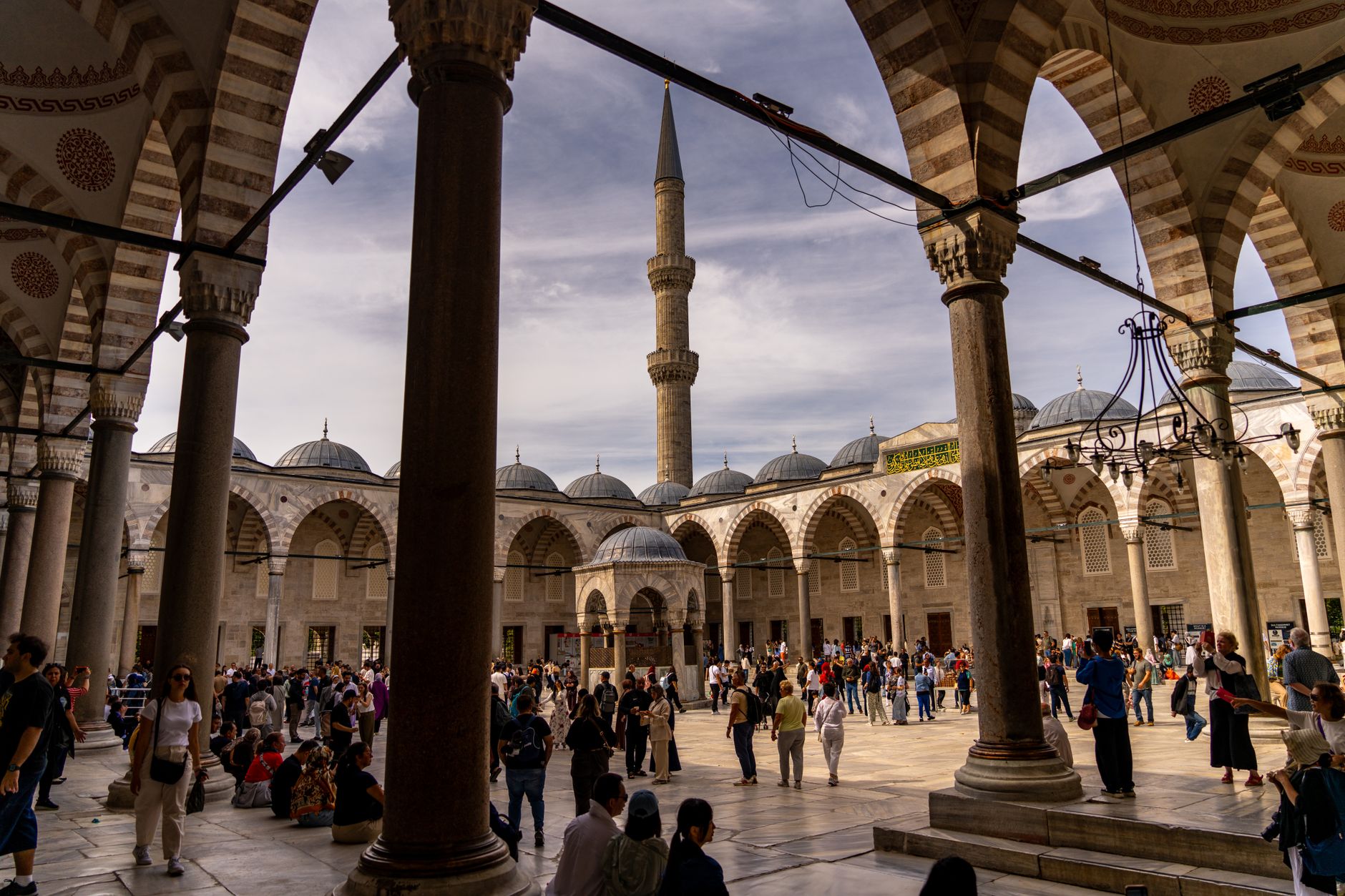
Suleymaniye Complex reopening is just around the corner, as restoration efforts reach an impressive 95%. This iconic site in Damascus promises to captivate visitors once again.
Introduction to the Suleymaniye Complex
The Suleymaniye Complex, a significant landmark in Damascus, is set to reopen to the public following extensive restoration efforts that have reached 95% completion. This Ottoman-era marvel is not only a testament to the architectural prowess of its time but also serves as a cultural gem in the heart of the city.
Visitors to the complex can anticipate a space rich in history, offering a glimpse into the grandeur of the Ottoman Empire. The renovation has focused on preserving the intricate details that define the complex, ensuring that its historical significance is honored while making it accessible to a new generation of tourists.
The reopening of the Suleymaniye Complex is expected to boost local tourism, attracting both domestic and international visitors eager to explore its stunning architecture and serene courtyards.
Highlights of the complex include:
- The grand mosque: Featuring magnificent domes and detailed calligraphy.
- The surrounding gardens: Perfect for peaceful strolls and reflection.
- Historical artifacts: Showcasing the rich heritage of the region.
Overall, the Suleymaniye Complex reopening promises to be a remarkable addition to the cultural landscape of Damascus.
Historical Significance of the Complex
The Suleymaniye Complex, an architectural masterpiece of the Ottoman era, holds profound historical significance in the heart of Damascus. Commissioned by Sultan Suleiman the Magnificent in the 16th century, this complex was not only a religious center but also a symbol of the empire’s cultural and artistic achievements. The intricate design and grand scale of the complex reflect the zenith of Ottoman architecture.
Throughout the centuries, the Suleymaniye Complex reopening has been a focal point for scholars and historians studying the Ottoman period. Its mosque, with its stunning dome and elegant minarets, has served as an inspiration for various architectural styles across the region. The complex also includes a madrasa, a library, and a hospice, showcasing its role as a center for learning and community service.
Despite facing challenges over the years, including damage from conflicts, the restoration efforts that have brought the complex close to reopening have been met with enthusiasm. Visitors will soon have the opportunity to appreciate its rich history and the architectural brilliance that has endured through time.
Restoration Progress and Challenges
The restoration of the Suleymaniye Complex in Damascus has reached a significant milestone, with completion now at 95%. This remarkable progress reflects a dedicated effort to preserve the historical architecture and cultural heritage of the site. However, the journey has not been without its challenges.
Throughout the restoration process, several obstacles have arisen, including:
- Structural Integrity: Assessing and reinforcing the original Ottoman-era structures required meticulous attention to detail to ensure safety and longevity.
- Funding Limitations: Securing adequate financial resources posed a challenge, often delaying critical phases of the restoration.
- Environmental Factors: Natural elements, such as weather and pollution, have impacted the preservation efforts, necessitating innovative solutions.
Despite these hurdles, the team has remained committed to restoring the Suleymaniye Complex to its former glory. As the reopening date approaches, anticipation grows among locals and tourists alike, eager to explore this proven travel gem once more. The revitalization not only aims to attract visitors but also to celebrate the rich history embedded in the very walls of the complex.
What Visitors Can Expect
The upcoming reopening of the Suleymaniye Complex promises to be a significant event for both locals and tourists alike. Visitors can expect a unique blend of history, architecture, and cultural heritage as they explore the meticulously restored site.
Upon entry, guests will be greeted by the stunning facade of the complex, showcasing the intricate Ottoman architecture that has been preserved throughout the restoration process. Inside, several key features will be accessible:
- The Grand Mosque: Visitors can admire the magnificent dome and beautifully crafted minarets.
- Historic Courtyards: The serene courtyards provide a tranquil space for reflection and photography.
- Exhibits and Artifacts: The complex will house exhibits showcasing the rich history of the Suleymaniye Complex and its significance in the region.
- Cultural Events: Expect a series of cultural events that celebrate the traditions of the Ottoman era.
As the Suleymaniye Complex reopening approaches, anticipation builds for an enriching experience that highlights the beauty and heritage of this travel gem.
Travel Tips for Visiting Damascus
As the Suleymaniye Complex reopening approaches, visitors to Damascus should consider a few essential travel tips to enhance their experience. This historic site, known for its stunning Ottoman architecture and rich history, offers a unique glimpse into the past.
- Timing Your Visit: Early morning or late afternoon visits can help you avoid crowds and enjoy the complex in a more serene setting. The golden hour also provides excellent lighting for photography.
- Dress Appropriately: While the complex is welcoming to all, modest attire is recommended to respect local customs. Comfortable shoes are also a must, as you may explore various areas on foot.
- Guided Tours: Consider joining a guided tour to gain deeper insights into the history and significance of the complex. Knowledgeable guides can enrich your visit with fascinating stories and details.
- Sampling Local Cuisine: Don’t miss the opportunity to taste local delicacies nearby. Exploring the streets of Damascus will lead you to authentic dishes that reflect the city’s rich culinary heritage.
By following these tips, visitors can fully immerse themselves in the beauty and history of the Suleymaniye Complex.
Cultural Impact of the Complex
The reopening of the Suleymaniye Complex is set to have a profound cultural impact on the city of Damascus and its surrounding regions. As a historically significant site, the complex embodies the rich architectural and artistic heritage of the Ottoman era.
Upon its reopening, the Suleymaniye Complex is expected to serve as a vibrant hub for cultural exchange and tourism. This landmark will:
- Attract local and international visitors, fostering appreciation for the region’s history.
- Provide a space for cultural events, exhibitions, and educational programs.
- Encourage the revival of traditional crafts and local artisans, enhancing economic opportunities.
Moreover, the complex will act as a reminder of the resilience of the people of Damascus, showcasing their ability to preserve their heritage despite challenges. The Suleymaniye Complex reopening symbolizes hope and renewal, drawing attention to the importance of cultural preservation in a rapidly changing world.
As the restoration reaches its final stages, anticipation is building around the complex’s potential to unite communities and celebrate the rich tapestry of history that defines the region.
Future of Ottoman Heritage Sites
The reopening of the Suleymaniye Complex marks a significant moment not only for Damascus but also for the preservation of Ottoman heritage sites across the region. As restoration efforts approach completion, the complex stands as a testament to the resilience of cultural landmarks amidst modern challenges.
The future of such heritage sites depends heavily on community involvement and sustainable tourism practices. Local authorities aim to foster greater appreciation for Ottoman history, encouraging visitors to explore the intricate architecture and rich narratives embedded within these structures. As interest in cultural tourism grows, the Suleymaniye Complex reopening will likely inspire the revitalization of other neglected sites.
Moreover, the complex offers an opportunity for educational initiatives that highlight the importance of preserving history. Workshops, guided tours, and cultural events can help bridge the gap between past and present, allowing visitors to connect deeply with the Ottoman legacy.
In conclusion, the Suleymaniye Complex reopening not only serves as a revival of a historical gem but also emphasizes the need to safeguard similar sites for future generations. Its success could pave the way for a broader movement to cherish and restore Ottoman heritage throughout the region.
The Suleymaniye Complex reopening has attracted visitors from around the world, eager to explore its rich history and stunning architecture. Many travelers are excited to experience the cultural significance of the Suleymaniye Complex reopening firsthand.
Photo by Brett A on Pexels