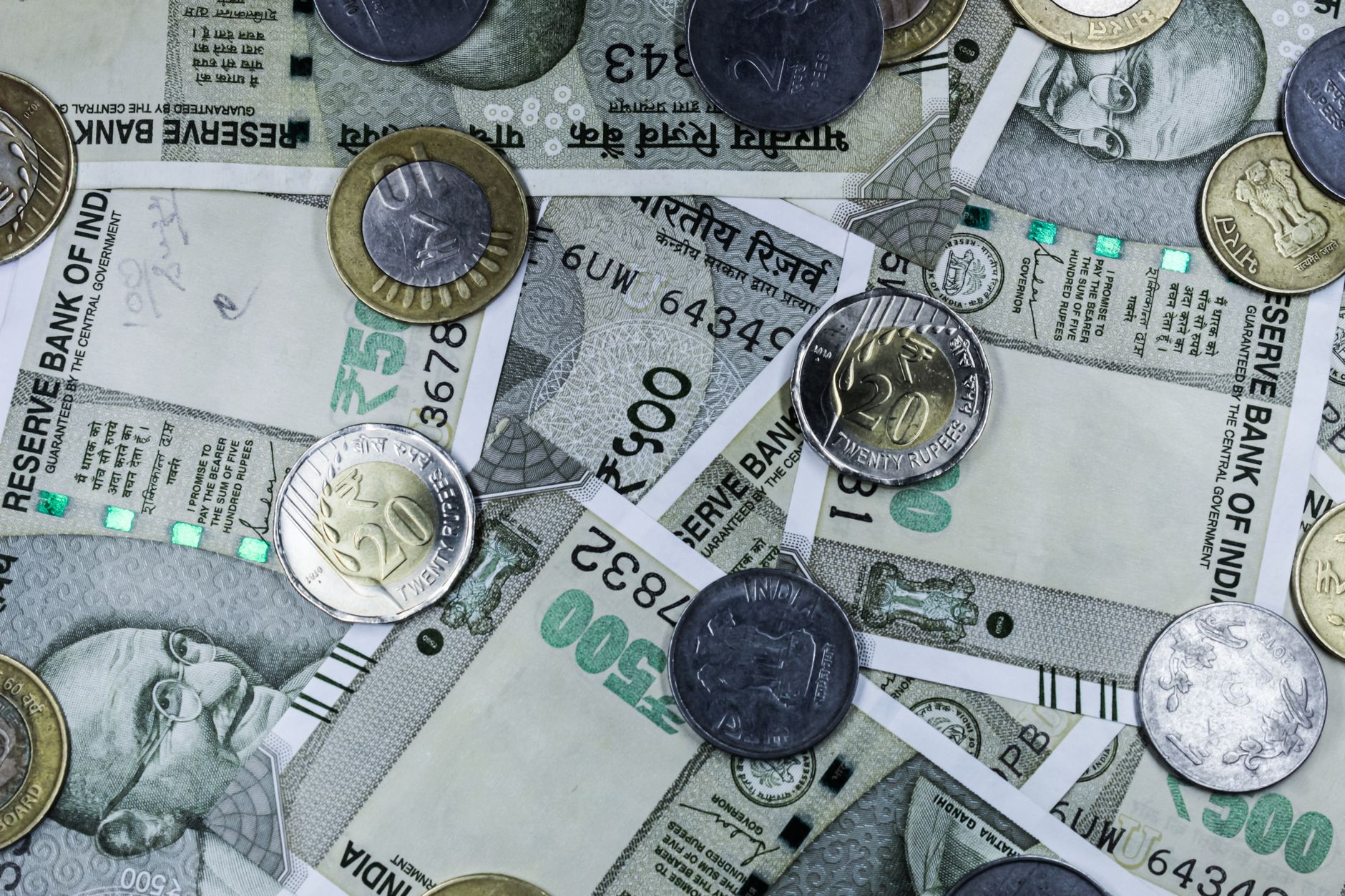
The India-EU tourism partnership is gaining momentum with new initiatives aimed at enhancing hospitality and transport sectors. This collaboration promises to open up exciting opportunities for travelers and businesses alike.
Overview of the India-EU Partnership
The India-EU tourism partnership has recently gained significant momentum, particularly following discussions at the United Nations General Assembly (UNGA) 81. This renewed focus aims to enhance collaboration between India and European Union member states in various sectors, with tourism, hospitality, and transport taking center stage.
As both regions look to recover from the impacts of the pandemic, they recognize the potential of a robust tourism sector to drive economic growth and cultural exchange. The partnership emphasizes several strategic areas:
- Joint Promotion of Destinations: Leveraging digital platforms to showcase diverse tourist attractions and promote travel packages.
- Enhanced Connectivity: Developing better air and rail links to facilitate easier travel between India and European countries.
- Cultural Exchange Programs: Initiating programs that allow tourists to experience the rich heritage of both regions, thereby fostering understanding and appreciation.
- Sustainable Tourism Practices: Collaborating on initiatives that prioritize eco-friendly travel options to protect the environment and promote responsible tourism.
Through these efforts, the India-EU tourism partnership aims to create a synergistic relationship that benefits both regions economically and culturally, paving the way for a thriving tourism landscape.
Key Areas of Focus: Tourism and Hospitality
The India-EU tourism partnership aims to enhance collaboration between India and European nations, focusing on several key areas that promise growth and sustainability in the tourism and hospitality sectors.
- Infrastructure Development: Investing in modern infrastructure is crucial for attracting tourists. Improved connectivity through better roads, airports, and public transport systems will facilitate smoother travel experiences.
- Digital Innovation: Embracing digital tools and platforms can streamline services, from booking processes to customer feedback. This enhances the overall visitor experience and promotes destination marketing.
- Sustainable Practices: Prioritizing eco-friendly tourism practices is increasingly important. Implementing green initiatives will appeal to environmentally conscious travelers and help preserve local ecosystems.
- Cultural Exchange Programs: Promoting cultural exchanges can enrich the tourism experience. Initiatives that showcase local heritage and traditions will foster a deeper understanding between Indian and European tourists.
- Collaborative Marketing: Joint promotional efforts between India and EU countries can leverage shared resources and reach wider audiences, boosting tourism numbers significantly.
By focusing on these critical areas, the India-EU tourism partnership seeks to create a robust framework that not only enhances travel but also supports economic growth and cultural understanding.
Impact on Transport Sector
The India-EU tourism partnership is poised to significantly impact the transport sector, facilitating seamless connectivity between the two regions. Enhanced transport links will not only support tourist flow but also bolster economic ties, creating a symbiotic relationship that benefits both parties.
One of the primary strategies is the improvement of air connectivity. With increased flights between major cities in India and Europe, travelers will have more options for reaching their destinations, which is crucial for boosting tourism. Moreover, streamlined visa processes and collaborations on transport regulations are expected to simplify travel for tourists.
Additionally, the partnership aims to promote sustainable transport solutions. This includes the development of eco-friendly transport options such as electric buses and trains, which align with global sustainability goals. By prioritizing green transport, both regions can attract environmentally conscious travelers.
Investment in infrastructure is also a vital component of this partnership. Upgrading existing transport facilities and building new ones will enhance the overall travel experience. Improved rail and road networks will facilitate easier access to tourist attractions, further encouraging visitors to explore deeper into the regions.
Ultimately, the India-EU tourism partnership is set to transform the transport landscape, paving the way for growth and fostering stronger cultural ties.
Benefits for Travelers and Businesses
The India-EU tourism partnership offers numerous benefits for both travelers and businesses, fostering a vibrant exchange of cultures and enhancing economic growth. As both regions commit to strengthening ties, travelers can look forward to a variety of advantages.
- Increased Connectivity: Improved transport links between India and EU member states will make travel more accessible, reducing travel times and costs.
- Diverse Experience: Travelers will have the opportunity to explore a wider range of destinations, from historical sites in Europe to unique cultural experiences in India.
- Enhanced Services: Businesses in the tourism sector will benefit from improved infrastructure and services, creating a more enjoyable experience for visitors.
- Economic Opportunities: The partnership is poised to create jobs and stimulate local economies, benefiting both regions and resulting in a richer travel experience.
- Sustainable Practices: Emphasis on responsible tourism will encourage travelers to engage in eco-friendly practices, promoting sustainability across both regions.
As the India-EU tourism partnership continues to develop, both travelers and businesses stand to gain significantly from the collaborative efforts aimed at enhancing the tourism landscape.
Future Prospects of the Partnership
The future prospects of the India-EU tourism partnership appear promising, with several strategic initiatives on the horizon aimed at enhancing connectivity and collaboration. As both regions aim to recover from the impacts of the pandemic, tourism is poised to play a critical role in revitalizing economies and strengthening cultural ties.
One of the key strategies includes the development of joint marketing campaigns that highlight the unique attractions of both India and the EU. Such initiatives will not only attract more tourists but also foster a deeper understanding of each other’s cultures.
Moreover, improving visa processes and streamlining travel regulations are fundamental to ensuring seamless travel experiences. This will encourage increased mobility between the regions, making it easier for travelers to explore diverse destinations.
Collaboration on sustainable tourism practices is also expected to be a priority. Both India and the EU recognize the importance of preserving natural and cultural heritage while promoting economic growth. By sharing best practices and resources, they can enhance the quality of tourism while minimizing environmental impact.
In conclusion, the India-EU tourism partnership is set to evolve into a robust framework that not only boosts travel and tourism but also fosters mutual understanding and cooperation between the two regions.
Conclusion: Strengthening Ties
In conclusion, the India-EU tourism partnership represents a significant opportunity for both regions to enhance their economic and cultural ties. As the tourism industry continues to recover post-pandemic, collaborative efforts between India and the European Union can lead to mutual benefits that extend beyond mere economic gain.
Key strategies for strengthening this partnership include:
- Joint Marketing Initiatives: Developing campaigns that highlight the unique attractions of both regions can draw more tourists.
- Increased Connectivity: Expanding transport links between India and EU countries will facilitate easier travel, encouraging more visitors.
- Skill Development: Investing in training programs for tourism professionals will enhance service quality and visitor satisfaction.
- Sustainable Practices: Promoting eco-friendly tourism options can attract environmentally conscious travelers.
Furthermore, fostering cultural exchanges and collaborative projects will deepen mutual understanding and respect. The partnership can also harness technology to create innovative solutions that improve the travel experience.
Overall, the ongoing collaboration between India and the EU stands to not only boost tourism but also fortify diplomatic relations. By implementing these proven strategies, the India-EU tourism partnership can pave the way for sustainable growth and prosperity in both regions.