
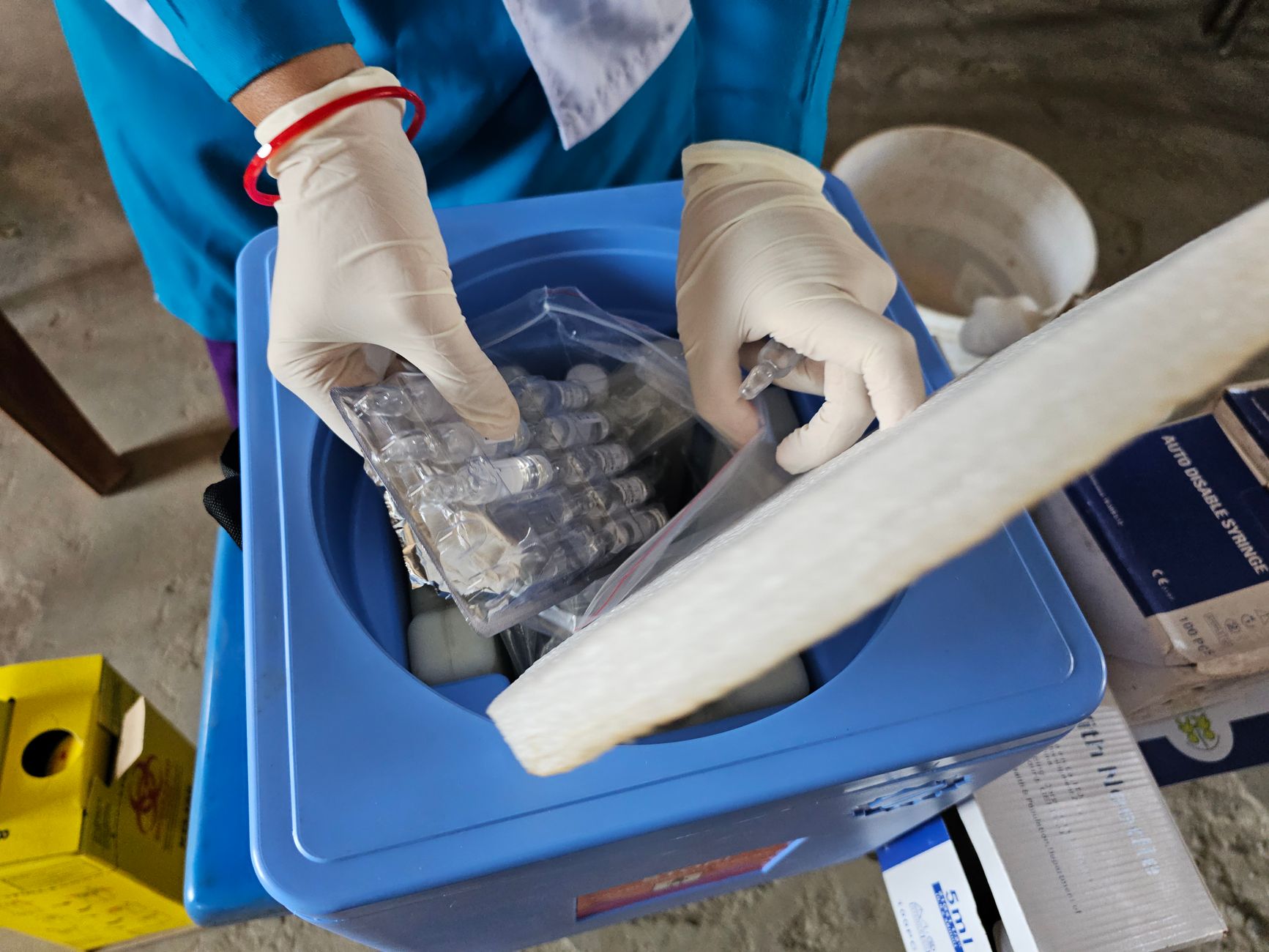
The healthcare cold-chain hub is a significant development for Singapore, aiming to improve logistics for medical supplies and services.
What is a healthcare cold-chain hub?
A healthcare cold-chain hub is a specialized logistics facility designed to manage the storage and transportation of temperature-sensitive medical products. These facilities are crucial in ensuring that pharmaceuticals, vaccines, and biologics maintain their efficacy throughout the supply chain. By controlling the temperature and environmental conditions, healthcare cold-chain hubs help prevent spoilage and ensure that critical medical supplies reach their destinations safely.
The establishment of a healthcare cold-chain hub in Singapore, particularly at Changi Airport, represents a significant advancement in the region’s logistics capabilities. Such hubs are equipped with advanced technology to monitor temperatures, humidity levels, and other factors that could affect the integrity of medical products. This is especially important for the distribution of vaccines, which often require strict temperature controls to remain effective.
In addition to temperature control, healthcare cold-chain hubs often employ robust security measures to protect valuable medical shipments. The integration of real-time tracking systems allows stakeholders to monitor the status of shipments during transit, enhancing transparency and accountability.
As the demand for reliable and efficient healthcare logistics grows, the establishment of a healthcare cold-chain hub in Singapore is seen as a smart move to meet the needs of the industry while bolstering the country’s position as a logistics hub in Asia.
Importance of cold-chain logistics in healthcare
The significance of cold-chain logistics in healthcare cannot be overstated, particularly as the demand for temperature-sensitive medical products continues to rise. A well-established healthcare cold-chain hub ensures that vital medications and vaccines are stored and transported under strictly controlled conditions, preserving their efficacy and safety.
Cold-chain logistics play a critical role in various aspects of healthcare, including:
- Vaccine Distribution: Vaccines often require specific temperature ranges to remain effective. Cold-chain solutions ensure that these vaccines are delivered safely from manufacturers to healthcare facilities.
- Pharmaceuticals: Many medications, including biologics and biosimilars, are sensitive to temperature fluctuations. Maintaining the cold chain prevents degradation and ensures patient safety.
- Blood Products: The transportation of blood and its components demands strict temperature controls, as exposure to unsuitable conditions can render these products unusable.
- Clinical Trials: The integrity of clinical trial samples relies on proper cold-chain management, which is essential for accurate research outcomes.
In summary, the establishment of a healthcare cold-chain hub in Singapore represents a strategic move to enhance the country’s logistics capabilities and ensure that critical healthcare products are delivered reliably and safely to those in need.
DHL’s role in Singapore’s logistics sector
DHL is set to play a pivotal role in enhancing Singapore’s logistics sector with its plans to establish a healthcare cold-chain hub at Changi Airport. This strategic move is designed to strengthen the nation’s position as a global logistics hub, particularly in the field of healthcare.
The new facility will be equipped with state-of-the-art technology to ensure the safe and efficient transportation of temperature-sensitive medical products, which is critical for maintaining the integrity of pharmaceuticals and vaccines. DHL’s commitment to innovation and quality service aligns perfectly with Singapore’s vision of being a leading logistics center in Asia.
Key features of DHL’s healthcare cold-chain hub include:
- Advanced Temperature Control: Ensuring optimal conditions for sensitive products.
- Enhanced Tracking Systems: Providing real-time visibility of shipment status.
- Compliance with Regulations: Meeting stringent industry standards for healthcare logistics.
By investing in this facility, DHL not only boosts its operational capacity but also supports the growing demand for reliable healthcare logistics solutions in the region. The healthcare cold-chain hub is expected to facilitate faster distribution of critical medical supplies, ultimately benefiting patients and healthcare providers alike.
Impact on medical supply distribution
The establishment of a healthcare cold-chain hub in Singapore is set to significantly enhance the distribution of medical supplies across the region. By ensuring that temperature-sensitive products are stored and transported under controlled conditions, this hub will address critical challenges faced by the healthcare sector.
The impact on medical supply distribution can be summarized as follows:
- Improved Efficiency: The healthcare cold-chain hub will streamline logistics operations, reducing transit times and ensuring that medical products reach their destinations without compromising their integrity.
- Enhanced Quality Control: With advanced monitoring systems in place, the hub will maintain strict temperature regulations, minimizing the risk of spoilage and ensuring that pharmaceuticals and vaccines remain effective.
- Increased Capacity: By expanding cold-storage capabilities, Singapore’s logistics sector will be better equipped to handle a growing demand for healthcare products, particularly in light of recent global health challenges.
- Regional Distribution Center: The hub will position Singapore as a key player in regional supply chains, facilitating the distribution of medical supplies to neighboring countries more effectively.
In conclusion, the healthcare cold-chain hub is a strategic move that promises to revolutionize the way medical supplies are distributed, ultimately benefiting healthcare providers and patients alike.
Future of healthcare logistics in Singapore
The future of healthcare logistics in Singapore is set to undergo a significant transformation with the introduction of the healthcare cold-chain hub at Changi Airport. This innovative facility is expected to enhance the efficiency and reliability of medical supply distribution across the region.
With the increasing demand for temperature-sensitive pharmaceuticals and vaccines, the establishment of a dedicated healthcare cold-chain hub is a strategic move. It will not only streamline logistics operations but also ensure that critical medical products are stored and transported under optimal conditions. As Singapore positions itself as a leading logistics hub in Asia, this development aligns perfectly with its vision of becoming a global healthcare gateway.
Moreover, the integration of advanced technologies such as real-time monitoring systems and automated processes will further improve the handling of sensitive medical supplies. Stakeholders in the healthcare sector can expect faster response times and enhanced traceability of shipments, which are crucial in emergencies.
In conclusion, the healthcare cold-chain hub represents a smart investment in Singapore’s logistics infrastructure. It promises to elevate the standards of healthcare logistics, ultimately benefiting patients and healthcare providers alike by ensuring that life-saving products reach their destinations safely and efficiently.
Challenges in building cold-chain infrastructure
Building a healthcare cold-chain hub presents several challenges that stakeholders must address to ensure the successful implementation of this critical infrastructure. One of the primary concerns is maintaining the stringent temperature control required for various medical products, including vaccines and biologics. Any deviation from the specified temperature range can compromise the efficacy of these products, making reliable monitoring systems essential.
Another challenge is the integration of advanced technologies within the existing logistics framework. The healthcare cold-chain hub must utilize innovative solutions such as real-time tracking and data analytics to enhance efficiency and reliability. This requires substantial investment in both technology and training for personnel.
Additionally, regulatory compliance poses a significant hurdle. Ensuring that all operations meet local and international standards is vital for the hub’s credibility and functionality. Stakeholders must navigate complex regulations while adapting to the evolving landscape of healthcare logistics.
Collaboration among various players in the supply chain is also crucial. Establishing partnerships between logistics providers, healthcare institutions, and regulatory bodies can facilitate smoother operations and enhance overall effectiveness. Overcoming these challenges will ultimately strengthen Singapore’s position as a leading healthcare cold-chain hub in the region.
Conclusion: Enhancing healthcare delivery
The establishment of a healthcare cold-chain hub at Singapore’s Changi Airport marks a significant advancement in the nation’s logistics capabilities, particularly in the healthcare sector. With the increasing demand for temperature-sensitive medical supplies, this initiative will enhance the efficiency of supply chains, ensuring that critical vaccines, pharmaceuticals, and other products are delivered safely and promptly.
By leveraging state-of-the-art technology and infrastructure, the healthcare cold-chain hub will facilitate better management of products that require strict temperature controls. This enhancement is crucial, especially in light of recent global health challenges that have underscored the importance of reliable medical supply distribution.
Moreover, the hub is expected to attract more global healthcare businesses to Singapore, solidifying its position as a leading logistics center in Asia. With improved cold-chain logistics, healthcare providers can be assured of consistent access to essential supplies, ultimately leading to better patient outcomes.
In conclusion, the healthcare cold-chain hub is a smart move for Singapore, reinforcing its commitment to excellence in logistics and healthcare delivery. As the hub becomes operational, it will not only serve local needs but also position Singapore as a vital player in the global healthcare supply chain, paving the way for future innovations and improvements in healthcare logistics.
Photo by CP Khanal on Pexels
Where this came from
Related stories
UK study visas drop: Worst changes and proven impacts · New Zealand work visa: Easy proven route for graduates · Emergency landing Kolkata airport: A Safe and Proven Procedure