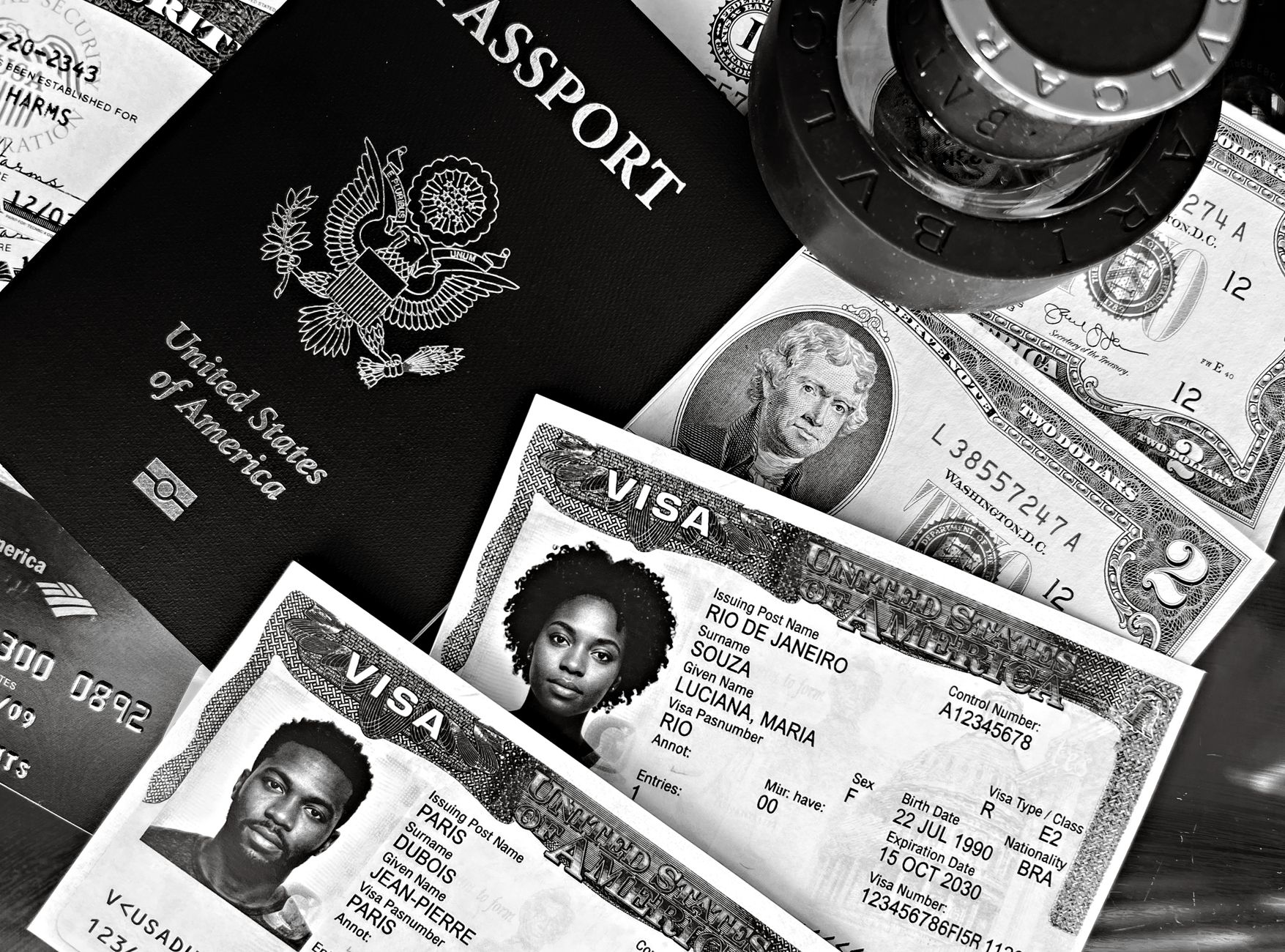
The modern slavery visa change is a significant step for victims, allowing them to switch employers while on their visa. This move aims to enhance their rights and provide better support during their recovery process.
Understanding the Modern Slavery Visa Change
The recent modifications to the modern slavery visa have created significant opportunities for victims seeking to rebuild their lives. Previously, victims were restricted to a single employer, often leading to continued exploitation and insecurity. With the new changes, victims are now permitted to change their employer for the remainder of their visa, promoting better working conditions and the potential for a more stable future.
This shift is a crucial step towards safeguarding the rights of those affected by modern slavery. By allowing victims greater flexibility in their employment, the government aims to reduce dependency on exploitative labor practices and foster a sense of agency among survivors. The initiative recognizes the need for comprehensive support systems that empower victims to make informed choices about their jobs and futures.
Key aspects of the modern slavery visa change include:
- Enhanced mobility: Victims can seek new employment opportunities without the fear of losing their legal status.
- Increased protection: The changes aim to minimize the risk of re-exploitation.
- Support services: Access to resources and counseling for navigating the transition.
Impact on Victims’ Rights
The recent modern slavery visa change is set to significantly impact the rights of victims, providing them with a clearer path to recovery and empowerment. This transformative policy allows individuals who have experienced exploitation to change their employer while holding a valid visa. This crucial adjustment acknowledges the precarious situation many victims face, as they often remain tied to their abusers out of fear of deportation or other repercussions.
By permitting employment changes, victims can seek safer working conditions and better opportunities, which can greatly aid in their rehabilitation process. The implications of this shift are profound, as it not only enhances the immediate safety of victims but also fosters a sense of agency in their lives. Key benefits include:
- Increased safety: Victims can escape abusive situations more readily.
- Financial independence: Access to new employment can help victims regain control over their lives.
- Support networks: Changing employers may allow victims to connect with organizations that offer additional resources and assistance.
The modern slavery visa change represents a vital step towards strengthening the rights of victims and ensuring they receive the support they need to rebuild their lives.
How to Navigate Employer Changes
Navigating employer changes under the new modern slavery visa change can be a crucial step for victims seeking stability and safety. Understanding the process involved is essential for those affected.
Victims who have been granted a modern slavery visa now have the right to change their employer without jeopardizing their immigration status. This change aims to empower victims, allowing them to escape exploitative situations and seek employment in safer environments.
Here are some key steps to consider when navigating employer changes:
- Document Your Situation: Keep records of any incidents of exploitation or abuse. This documentation can be vital when applying for a new job or seeking additional support.
- Consult Support Services: Reach out to organizations specializing in assisting victims of modern slavery. They can provide guidance on rights and resources available.
- Research Potential Employers: Look for employers known for their ethical practices. Ensuring a safe work environment is essential for recovery and rebuilding.
- Follow Legal Protocols: Ensure that any change of employer complies with the requirements stipulated in the modern slavery visa change to maintain legal status.
Support Services Available for Victims
Victims of modern slavery now have access to a range of support services aimed at helping them during their recovery and integration into society. These services are vital for individuals navigating the complexities of their new situation following the modern slavery visa change.
Key support services available include:
- Crisis Support: Immediate assistance is available for basic needs like shelter, food, and medical care.
- Legal Aid: Victims can access legal advice to understand their rights and navigate the visa process.
- Counseling Services: Professionals provide psychological support to help individuals cope with trauma.
- Employment Assistance: Programs are in place to help victims find stable employment, especially after they are allowed to change employers under the new visa regulations.
- Community Organizations: Various NGOs offer resources and social connections to aid in rebuilding lives.
These resources are crucial for empowering victims and ensuring they receive the assistance needed to thrive in their new circumstances, reinforcing the significance of the modern slavery visa change in promoting victims’ rights.
Legal Implications of the Visa Change
The recent changes to the modern slavery visa have significant legal implications for victims seeking justice and safety. With the new provisions, individuals who have been granted this visa can now change their employer, which offers a crucial lifeline for those facing exploitation or unsafe working conditions.
This flexibility allows victims to escape abusive situations without jeopardizing their immigration status. Previously, victims were often trapped in their employment due to visa restrictions, making it difficult to report their employers or seek help. Now, the modern slavery visa change empowers victims to make choices that prioritize their wellbeing and safety.
Legal experts emphasize the importance of understanding one’s rights under this new framework. Victims are urged to document their experiences and seek legal advice when necessary to navigate the complexities of their situations.
Additionally, this change in policy is expected to encourage more individuals to come forward, knowing that they have the option to leave exploitative environments without fear of losing their right to remain in the country. Overall, these legal changes represent a significant step forward in supporting victims of modern slavery.
Government Response to Modern Slavery
The government has acknowledged the urgent need to address the plight of modern slavery victims, leading to significant changes in visa policies. These adjustments are designed to empower victims, offering them a clearer path to safety and stability. With the modern slavery visa change, individuals previously tied to exploitative employers can now seek new opportunities without fear of deportation or legal repercussions.
Officials have emphasized that this initiative is part of a broader strategy to combat human trafficking and provide necessary support to those affected. In recent statements, the Home Office highlighted the importance of allowing victims the freedom to change their employers, which is a crucial step towards rebuilding their lives.
Additionally, the government is working closely with non-governmental organizations to ensure that victims are aware of their rights and the resources available to them. As part of this response, various outreach programs are being implemented to educate both victims and employers about the new regulations and the responsibilities they entail.
Through these proactive measures, the government aims to create a supportive environment that prioritizes the well-being of modern slavery victims and fosters their reintegration into society.
Future of Immigration Policy in the UK
The future of immigration policy in the UK is poised for significant transformation, particularly in relation to the modern slavery visa change. This pivotal adjustment aims to provide a more supportive framework for victims of modern slavery, allowing them greater freedom and security during their recovery process.
One of the most notable aspects of this policy shift is the introduction of provisions that enable victims to change employers while holding their visa. This change not only bolsters the rights of victims but also encourages them to seek safer and more accommodating work environments.
Experts believe that the implications of this change extend beyond individual situations; they may influence broader immigration practices in the UK. The integration of a more victim-centered approach could lead to a reassessment of how immigration and labor policies interact.
Furthermore, the focus on empowering victims could pave the way for enhanced collaborations between government agencies, non-profits, and businesses. By fostering a supportive ecosystem, the UK aims to ensure that individuals affected by modern slavery can rebuild their lives with dignity and autonomy.
The recent modern slavery visa change aims to provide victims with better access to support services and legal protections. Advocates believe that this modern slavery visa change will significantly empower survivors to rebuild their lives free from exploitation.
Photo by DΛVΞ GΛRCIΛ on Pexels