
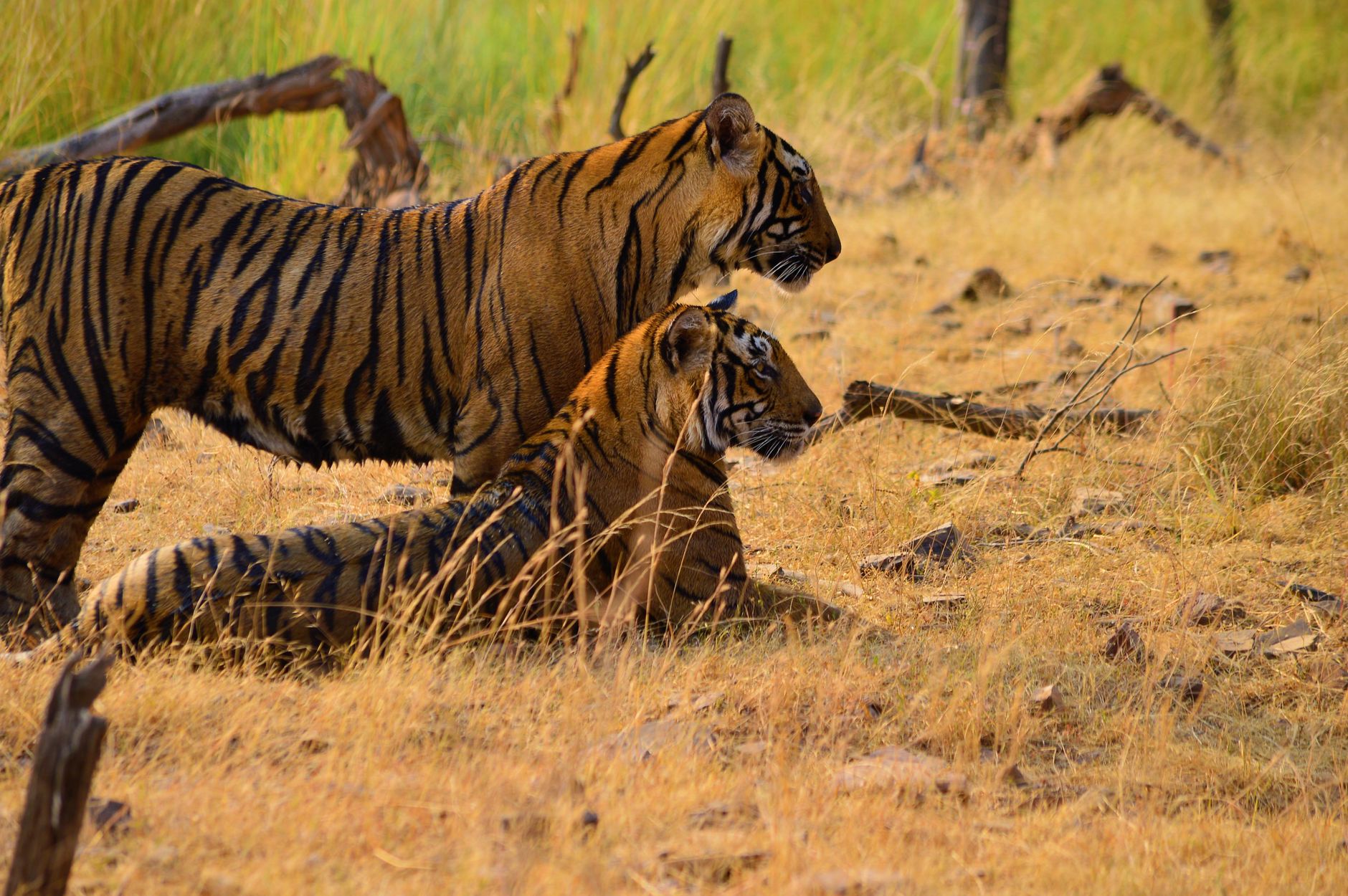
Tiger safari season is making a grand return as eight Indian reserves reopen from October. This exciting opportunity allows wildlife enthusiasts to experience the thrill of tiger sightings once again.
What to Expect During Tiger Safari Season
The tiger safari season is an exhilarating time for wildlife enthusiasts and nature lovers alike. As the temperatures start to drop, many Indian reserves open their gates, inviting visitors to experience the majestic beauty of tigers in their natural habitat.
During this season, guests can expect:
- Guided Tours: Expert guides lead the way, sharing their knowledge of the ecosystem and the behavior of the tigers.
- Increased Tiger Sightings: With the foliage thinning, the chances of spotting tigers increase significantly, offering a thrilling experience.
- Photographic Opportunities: Capturing the essence of tigers against the backdrop of stunning landscapes provides perfect moments for wildlife photography.
- Unique Flora and Fauna: Besides tigers, the reserves are home to diverse wildlife, making each safari a rich exploration of nature.
As the tiger safari season progresses, anticipation builds for encounters that can create lasting memories, making it an ideal time to explore India’s wildlife reserves.
Top Indian Reserves for Tiger Sightings
The tiger safari season is an exhilarating time for wildlife enthusiasts, offering a chance to witness these majestic creatures in their natural habitat. Here are some of the top Indian reserves for tiger sightings:
- Ranthambore National Park – Located in Rajasthan, it is renowned for its stunning landscapes and high tiger population.
- Jim Corbett National Park – As India’s oldest national park, it offers diverse wildlife and breathtaking scenery.
- Bandhavgarh National Park – Known for its high density of tigers, Bandhavgarh is a must-visit for serious wildlife photographers.
- Kanha National Park – Celebrated for its efforts in tiger conservation, Kanha showcases an incredible variety of flora and fauna.
- Pench National Park – This park inspired Rudyard Kipling’s “The Jungle Book” and is known for its picturesque landscapes and thriving tiger population.
Each of these reserves offers unique experiences during the tiger safari season, ensuring unforgettable memories for visitors.
Essential Tips for Safari Enthusiasts
As the tiger safari season approaches, enthusiasts should consider a few essential tips to enhance their experience. Planning ahead is crucial, as popular reserves can fill up quickly. Here are some recommendations:
- Book Early: Reserve your safari permits and accommodation well in advance to secure your spot in the most sought-after areas.
- Choose the Right Time: Early morning and late afternoon safaris often yield the best chances for tiger sightings, as these are peak activity times for the big cats.
- Dress Appropriately: Wear neutral-colored clothing that blends with the environment, and be sure to bring layers, as temperatures can fluctuate throughout the day.
- Be Patient: Wildlife sightings can be unpredictable. Stay calm and patient, as it may take time to spot tigers in their natural habitat.
- Stay Informed: Keep an eye on local wildlife reports and updates from your tour guides for the best chance of seeing tigers.
By following these tips, you can make the most of your adventure during the tiger safari season.
The Best Time to Visit Indian Wildlife Reserves
The tiger safari season offers a unique opportunity to witness the majestic beauty of tigers in their natural habitat. The best time to visit Indian wildlife reserves typically falls between October and March, coinciding with the cooler months when animals are more active and easier to spot.
During this period, many parks and reserves reopen their gates, welcoming visitors eager to experience the thrill of a safari. The weather is pleasant, making it ideal for long hours of exploration. Wildlife enthusiasts can enjoy clear skies and a vibrant landscape, with flora flourishing after the monsoon season.
Travelers should consider the following factors to maximize their safari experience:
- Timing: Early morning and late afternoon are the best times for sightings.
- Guided Tours: Opt for experienced guides who know the terrain and animal behavior.
- Camera Gear: Bring binoculars and a good camera to capture the stunning wildlife.
Overall, the tiger safari season is an extraordinary time to explore the diverse ecosystems of India and connect with nature.
How to Plan Your Tiger Safari Trip
Planning your tiger safari trip can be an exhilarating experience, especially during the tiger safari season. To ensure you have a memorable adventure, consider the following steps:
- Choose Your Destination: Research the top reserves known for tiger sightings, such as Ranthambore, Jim Corbett, and Kanha National Park.
- Book in Advance: Popular reserves can fill up quickly, so it’s a good idea to secure your accommodations and safari permits ahead of time.
- Timing is Key: Plan your visit during the peak months of the safari season, which typically runs from October to June, for the best chance of spotting tigers.
- Pack Wisely: Bring essentials like binoculars, a camera, sunscreen, and comfortable clothing to enhance your safari experience.
- Consider a Guide: Hiring an experienced guide can greatly improve your chances of spotting wildlife and enrich your understanding of the ecosystem.
With careful planning, you can make the most of your tiger safari season adventure and create unforgettable memories in the heart of India’s wildlife.
Wildlife Conservation Efforts in India
Wildlife conservation efforts in India play a crucial role in ensuring the survival of the majestic tiger, especially during the tiger safari season. Various initiatives have been implemented by the government and non-governmental organizations to protect tiger habitats and promote biodiversity.
One of the key strategies has been the establishment of protected areas, including national parks and wildlife sanctuaries, which serve as safe havens for tigers and other wildlife. These reserves often focus on:
- Anti-poaching measures: Strict enforcement of laws to prevent illegal hunting.
- Community involvement: Engaging local communities in conservation efforts, ensuring they benefit from eco-tourism.
- Habitat restoration: Rehabilitating degraded areas to expand ecosystems where tigers can thrive.
- Research and monitoring: Ongoing studies to track tiger populations and health, allowing for informed conservation strategies.
As the tiger safari season approaches, these efforts are critical in maintaining the delicate balance of nature and ensuring that future generations can witness the beauty of tigers in the wild.
Travel Safety Tips for Safari Adventures
As the tiger safari season approaches, ensuring your safety during these thrilling adventures is paramount. Here are some essential travel safety tips to consider while exploring the breathtaking Indian reserves.
- Follow Guidelines: Always adhere to the instructions provided by your safari guide. They are trained to ensure the safety of both visitors and wildlife.
- Stay Inside the Vehicle: While it may be tempting to get out for a better view, always remain inside the vehicle unless instructed otherwise.
- Be Prepared for Weather: The weather can be unpredictable. Dress in layers and carry rain gear to stay comfortable throughout your safari.
- Respect Wildlife: Maintain a safe distance from all animals. Avoid loud noises or sudden movements that could startle them.
- Travel Insurance: Consider purchasing travel insurance that covers safari-related activities, ensuring you’re protected in case of unexpected incidents.
By following these tips, you can enjoy a safe and unforgettable experience during this exciting season.
Exploring the Beauty of Indian National Parks
The vibrant landscapes of India offer a breathtaking backdrop for those embarking on a tiger safari season adventure. Indian national parks are renowned for their rich biodiversity and the chance to encounter majestic tigers in their natural habitat. Each park presents a unique experience, showcasing the remarkable beauty of nature.
Among the stunning reserves, Ranthambore National Park is famous for its vast dry deciduous forests and ancient ruins, while Bandhavgarh National Park boasts the highest density of tigers in India. Jim Corbett National Park, the oldest national park in the country, provides a picturesque setting with lush greenery and rolling hills.
During the tiger safari season, visitors can also admire a variety of other wildlife, including elephants, leopards, and countless bird species. To enhance the experience, many parks offer guided tours led by knowledgeable naturalists who share insights about the ecosystem and its inhabitants.
- Explore diverse landscapes for wildlife photography.
- Learn from experienced guides about conservation efforts.
- Witness breathtaking sunrises and sunsets in the wild.
Photo by Kapil Kumar on Pexels