
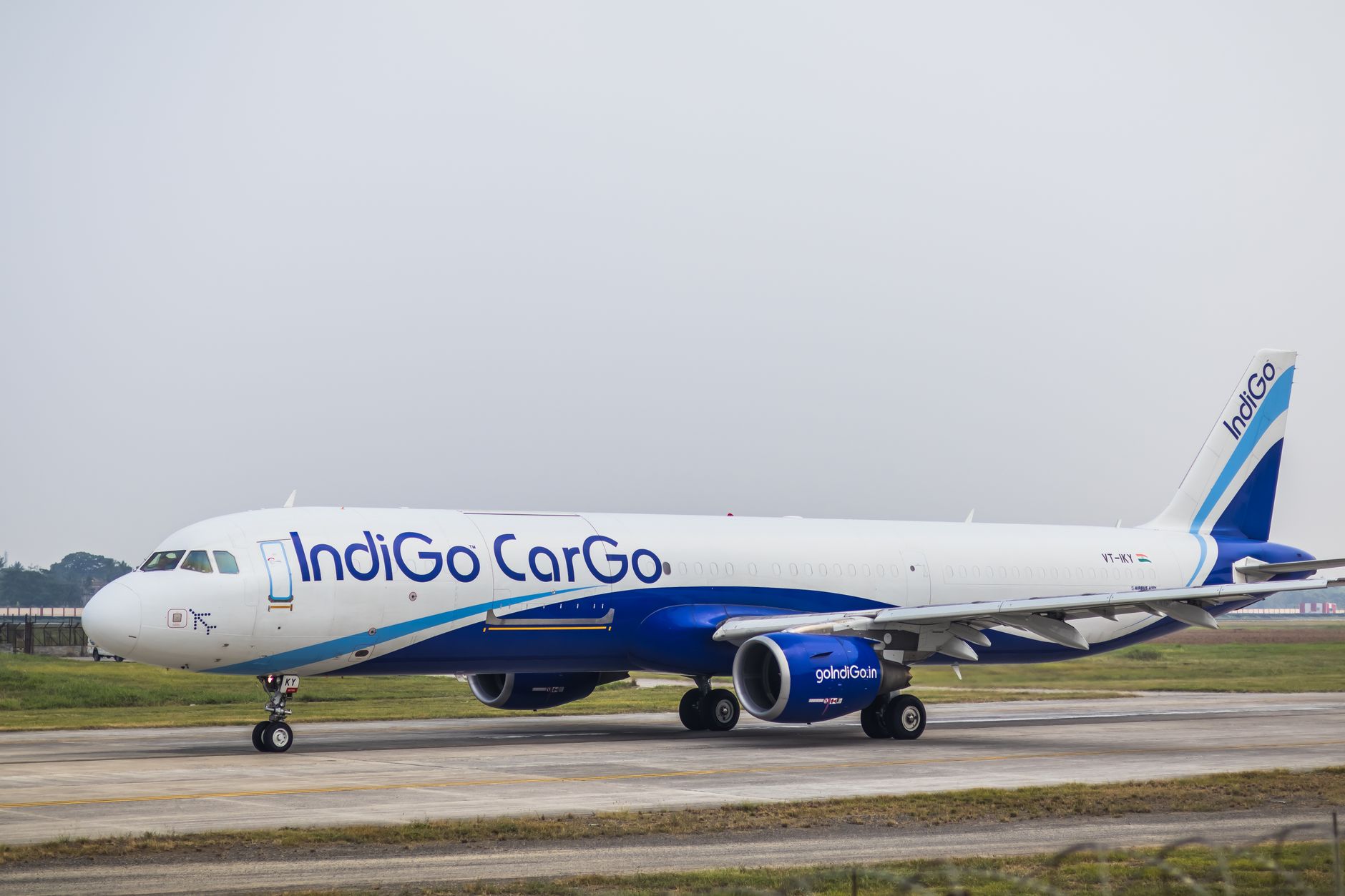
Air India fuel surcharge hikes are set to take effect from October 9, impacting both domestic and international flights. This change is expected to affect ticket prices significantly.
Overview of the Fuel Surcharge Increase
Air India has announced a significant increase in its fuel surcharge, effective from October 9, impacting both domestic and international flights. This decision comes amidst rising fuel costs, which have compelled many airlines to reassess their pricing strategies. The hike in the fuel surcharge is expected to affect ticket prices for passengers across various routes.
The adjustment in the surcharge is a response to the escalating operational costs faced by the airline industry. According to experts, this increase could lead to a ripple effect, prompting other carriers to follow suit. As a result, travelers may need to brace themselves for higher fares in the coming weeks.
Key details regarding the fuel surcharge hike include:
- Domestic Flights: Affected by a new surcharge that may add to the overall ticket cost.
- International Flights: The increase aligns with global fuel price trends, further impacting travel budgets.
- Travelers’ Concerns: Many are expressing worries about the affordability of travel as these surcharges accumulate.
Overall, the Air India fuel surcharge increase highlights the ongoing challenges within the airline industry and its direct consequences for consumers.
Reasons Behind the Surcharge Hike
As Air India and Air India Express implement a fuel surcharge hike, several factors contribute to this decision. The airline industry has been under significant pressure due to escalating operational costs, particularly in fuel prices. The recent surge in crude oil prices has had a ripple effect on aviation fuel, prompting airlines to adjust their pricing strategies accordingly.
Key reasons behind the fuel surcharge hike include:
- Global Oil Prices: Fluctuations in global oil markets directly impact the cost of aviation fuel.
- Increased Demand: A rebound in travel demand post-pandemic has strained resources, leading to higher operational expenses.
- Inflationary Pressures: Widespread inflation has affected various sectors, increasing costs associated with maintenance, staffing, and airport services.
- Currency Exchange Rates: The value of the Indian Rupee against the US Dollar can also influence fuel procurement costs.
The new fuel surcharge, effective from October 9, aims to address these challenges while ensuring the airline remains competitive. However, customers will likely see a direct impact on their fares, which could deter some price-sensitive travelers.
Impact on Domestic Flight Prices
The recent increase in the Air India fuel surcharge has had a noticeable effect on domestic flight prices. Travelers are now facing higher costs as airlines adjust their fare structures to accommodate the new surcharge. This increase, effective from October 9, has raised concerns among frequent flyers and casual travelers alike.
As airlines implement the new fuel surcharge, passengers can expect to see changes in ticket prices across various routes. The impact of this surcharge hike is particularly significant for:
- Short-haul flights: Many budget-conscious travelers rely on these routes for quick getaways.
- Business travel: Increased fares may lead companies to reconsider their travel budgets.
- Family travel: Families planning vacations may find the updated prices affecting their overall travel plans.
Industry experts suggest that the hike in the Air India fuel surcharge could lead to a ripple effect, prompting other airlines to follow suit. With fuel prices remaining volatile, the future of domestic flight pricing remains uncertain. Passengers are advised to stay informed and book flights in advance to mitigate the financial impact of these changes.
Impact on International Flight Prices
The recent hike in the Air India fuel surcharge is set to significantly impact international flight prices, raising concerns among travelers and industry analysts alike. As airlines adjust their pricing strategies to accommodate the increased operational costs, passengers may find themselves facing higher fares for both leisure and business travel.
Travel experts highlight several key effects of this surcharge increase:
- Increased Ticket Prices: Passengers can expect to see a rise in ticket prices, potentially affecting demand for international travel, especially during peak seasons.
- Impact on Budget Travelers: Budget-conscious travelers may find international flights less accessible, leading to a shift in travel plans or destinations.
- Enhanced Competition: Airlines may engage in competitive pricing strategies to attract customers, resulting in promotional fares that could mitigate some of the surcharge effects.
- Long-Term Trends: Continuous fuel surcharge hikes could lead to lasting changes in consumer behavior, with travelers opting for alternate routes or considering additional factors such as fuel efficiency in their airline choices.
As the situation unfolds, how airlines manage their pricing in response to the increased fuel surcharge will be closely monitored by passengers and industry stakeholders alike.
Customer Reactions to the Increase
As Air India implements its new fuel surcharge, customers have expressed a mix of frustration and concern over the increased costs associated with traveling. Many passengers took to social media to voice their opinions on the recent hike, which affects both domestic and international flights.
- Frustration Over Rising Costs: Several travelers highlighted how the fuel surcharge increase has made air travel significantly more expensive, impacting their travel plans and budgets.
- Concerns About Affordability: Frequent flyers noted that the cumulative effect of the surcharge could deter many families from taking vacations or visiting loved ones, especially during peak travel seasons.
- Comparisons with Competitors: Some customers pointed out that while fuel costs are rising across the industry, they expect more competitive pricing from other airlines to counterbalance the Air India fuel surcharge.
- Calls for Transparency: Passengers are urging the airline to provide clearer communication regarding how the surcharge is calculated and its necessity in maintaining service quality.
As the airline industry continues to navigate fluctuating fuel prices, customer feedback will be crucial in shaping future pricing strategies.
Comparative Analysis with Other Airlines
The recent increase in the Air India fuel surcharge has prompted travelers to compare fare structures across various airlines. This comparative analysis reveals how Air India’s adjustments stack up against its competitors in both domestic and international markets.
Many airlines have adopted different strategies regarding fuel surcharges:
- IndiGo: Known for its low-cost model, IndiGo has maintained competitive pricing despite rising fuel costs, opting to absorb some of the surcharge, thus offering lower fares to attract budget-conscious travelers.
- SpiceJet: Similar to Air India, SpiceJet has also increased its fuel surcharge, reflecting a trend among various carriers to pass on costs directly to customers.
- Vistara: This airline has adjusted its pricing cautiously, with a smaller surcharge increase, aiming to retain customer loyalty while still covering operational costs.
Internationally, airlines like Emirates and Qatar Airways tend to adjust their surcharge based on specific routes rather than a flat increase. This strategy allows them to remain competitive globally.
As the aviation industry continues to navigate fluctuations in fuel prices, the impact of the Air India fuel surcharge remains a crucial point of discussion among travelers and industry experts alike.
Advice for Travelers in Light of Changes
As travelers navigate the new landscape of air travel costs, understanding the implications of the Air India fuel surcharge hikes is crucial. Here are some tips to help manage your travel expenses effectively:
- Book Early: Securing your tickets well in advance can often help you avoid the impact of last-minute fare increases resulting from surcharges.
- Monitor Prices: Regularly check flight prices across various platforms. Setting up fare alerts can notify you of price drops before you book.
- Consider Alternatives: Look into other airlines and compare their fare structures. Some may offer lower overall costs despite similar fuel surcharges.
- Be Flexible: If possible, adjust your travel dates. Flying on weekdays or during off-peak seasons can lead to better rates.
- Join Loyalty Programs: Frequent flyers can benefit from loyalty programs that may offset some costs through points or discounts.
In light of the recent changes, staying informed and proactive can help travelers mitigate the additional expenses associated with the Air India fuel surcharge. By adapting your travel strategies, you can still find affordable options without compromising your journey.
Future Projections for Air Travel Costs
As the aviation industry continues to navigate volatile fuel prices, future projections for air travel costs, particularly regarding the Air India fuel surcharge, suggest a challenging landscape ahead for travelers. Analysts predict that further increases in fuel surcharges may be imminent if global oil prices remain high or escalate further.
Travelers can expect the following trends in air travel costs:
- Increased fare volatility: Airlines may adjust prices more frequently in response to fluctuating fuel costs, leading to less predictability in ticket pricing.
- Shift in demand: Higher surcharges could prompt some travelers to seek alternative modes of transport or delay travel plans, potentially affecting airline revenue.
- Increased focus on efficiency: Airlines might accelerate efforts to optimize fuel efficiency through newer aircraft and better operational practices to mitigate the impact of surcharges.
- Competitive pricing strategies: Other carriers may respond to Air India’s surcharge hikes by adjusting their own pricing strategies to retain customer loyalty.
Ultimately, the future of air travel costs will largely depend on global fuel trends and the industry’s ability to adapt to changing economic conditions.
The recent increase in the Air India fuel surcharge has led to noticeable changes in ticket prices across various routes. Travelers are now feeling the pinch as the Air India fuel surcharge directly affects their overall travel costs.
Photo by Ethan Sarkar on Pexels